

Why does cryotherapy make you feel good after just a few minutes? The answer lies in how cold exposure interacts with your nervous system. Whole body cryotherapy creates a brief, controlled stress that triggers a rapid shift from tension to recovery. This process helps the body feel calmer, clearer, and more balanced, explaining why so many people report improved mood and energy after sessions.
How Cryotherapy Affects the Nervous System
Cryotherapy directly influences the autonomic nervous system, which controls involuntary body functions such as heart rate, digestion, and stress responses. The nervous system has two main branches: the sympathetic system (responsible for “fight or flight”) and the parasympathetic system (responsible for “rest and digest”).
During cold exposure, the body briefly activates the sympathetic system. This short-term stress primes the body to recover more efficiently once the session ends. This mechanism is one of the reasons whole body cryotherapy benefits not only muscle recovery but also mental clarity and overall well-being.
The Fight-or-Flight Response During Cold Exposure
When you step into a cryotherapy chamber, your body initially reacts as if under mild stress. Heart rate increases slightly, blood vessels constrict, and alertness rises. This brief fight-or-flight activation is normal and necessary.
It may feel intense for a few seconds, but this controlled stress helps the nervous system recalibrate. Without this first step, the parasympathetic rebound — which makes you feel calm afterward — would not occur.

Parasympathetic Activation: Why You Feel Calm After Cryotherapy
After the cold stimulus is removed, the nervous system rapidly switches from sympathetic activation to parasympathetic recovery. Heart rate slows, breathing becomes deeper, and blood flow redistributes. This transition promotes relaxation and a sense of mental clarity.
Many people notice immediate mood improvement and a feeling of calm. These benefits are physiological responses — not just psychological effects — driven by the nervous system returning to balance.
The Role of the Vagus Nerve in Cryotherapy Recovery
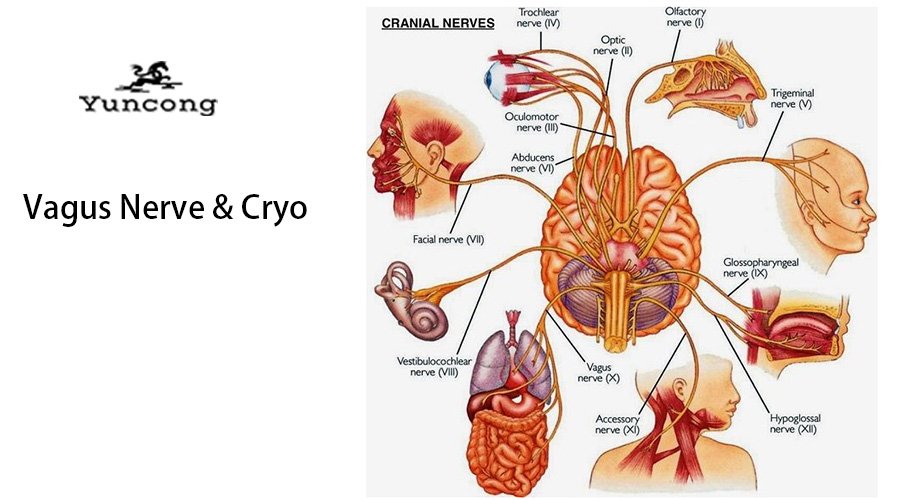
The vagus nerve, a key component of the parasympathetic nervous system, plays a central role in this recovery process. It helps regulate heart rate, digestion, inflammation, and emotional stability.
Cold exposure followed by rapid rewarming encourages vagus nerve activation, signaling the body to slow down and recover. This process reduces stress hormones and supports a balanced autonomic nervous system. In short, cryotherapy doesn’t relax the body directly — it helps the body relearn how to switch from stress to recovery efficiently.
Whole Body Cryotherapy Benefits Beyond Muscle Recovery
While many associate cryotherapy with muscle recovery and athletic performance, the benefits extend to nervous system regulation and mood improvement. Regular sessions can promote:
- Faster nervous system recovery
- Improved sleep quality
- Enhanced mental clarity
- Better stress management
- Mood stabilization
This makes cryotherapy a valuable tool for both athletes and anyone looking to improve overall well-being.
Why Just 2–3 Minutes Is Enough
The nervous system responds to intensity more than duration. Short, high-intensity cold exposure is sufficient to activate sympathetic pathways and trigger parasympathetic rebound. Longer exposure does not necessarily increase benefits and may even risk discomfort.
This explains why most whole body cryotherapy sessions last 2–3 minutes, a standard widely adopted across wellness centers worldwide.
Why Wellness Centers Use Cryotherapy for Nervous System Reset
Wellness centers and recovery studios use cryotherapy not just for muscle recovery but as a nervous system reset tool. Its benefits include reproducible results, measurable mood improvement, and a strong client experience. Many modern electric cryotherapy chambers make it easy for centers to deliver consistent, safe sessions while leveraging these nervous system benefits.
FAQ: Cryotherapy and the Nervous System
Q1: Does cryotherapy stimulate the vagus nerve?
A1: Yes, cold exposure followed by rewarming triggers vagus nerve activation, promoting relaxation and nervous system balance.
Q2: Is cryotherapy relaxing or stressful?
A2: It’s initially a controlled stressor. The relaxation comes after, as the nervous system rebounds.
Q3: Can cryotherapy improve mood?
A3: Yes, parasympathetic activation supports mood improvement and mental clarity.
Q4: How often should cryotherapy be used for nervous system benefits?
A4: Most wellness centers recommend 2–3 sessions per week for consistent nervous system support, depending on individual tolerance.
Conclusion
Cryotherapy feels good not because it is comfortable, but because it helps the nervous system return to balance. By briefly activating stress responses and then triggering parasympathetic recovery, cold therapy promotes relaxation, mood improvement, and overall nervous system health.
Check out here if you are interested in reading more about the Vagus nerve.
