
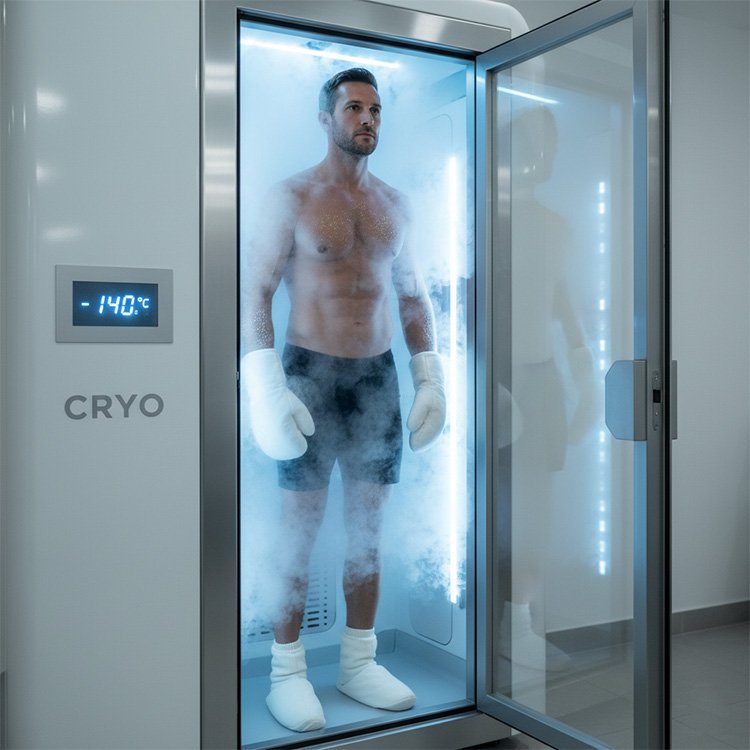

Understanding Whole Body Cryotherapy
When many people first hear about Whole Body Cryotherapy, they instinctively assume it is some kind of “quick-fix” or futuristic miracle therapy. In reality, it is better understood as a method that uses extreme cold to activate the body’s natural self-regulation processes, rather than a solution that instantly “fixes” problems. A typical session lasts only 2–3 minutes. The body is not frozen; instead, it experiences an intense but brief cold stimulus that triggers a series of physiological responses.
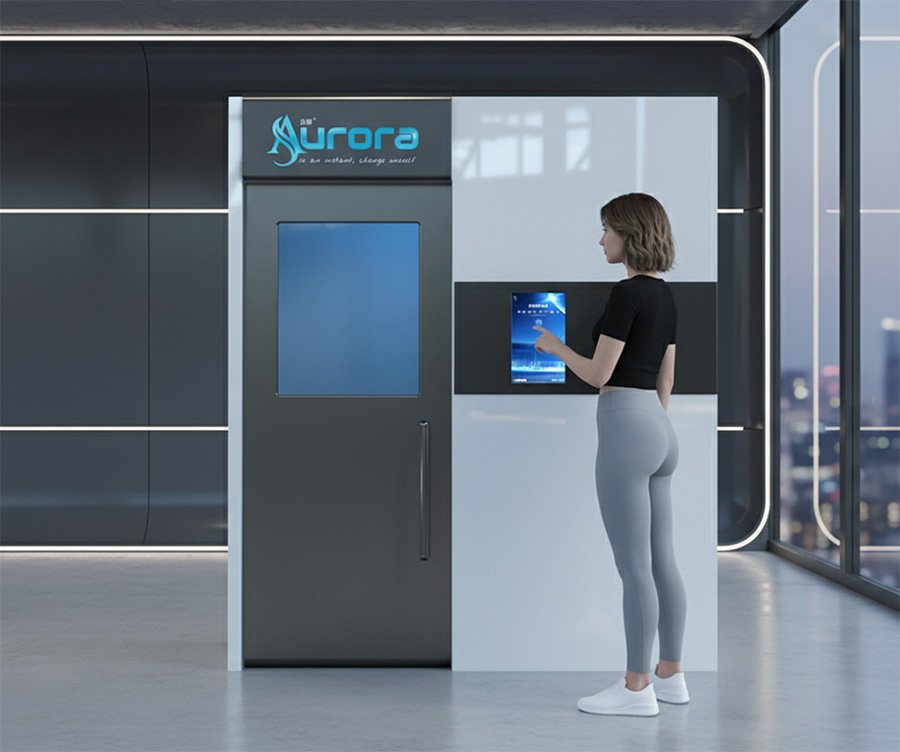
Many first-time users worry about whether they can tolerate such low temperatures. However, the actual sensation is usually closer to a short, sharp cold shock rather than prolonged discomfort. Because the exposure time is very limited, the body quickly enters a stress-response state, followed by a noticeable warming phase once the session ends. This rebound warming is one reason many people describe feeling “reawakened” afterward. This cold-to-warm transition is a core characteristic of whole body cryotherapy and helps explain why users often report feeling lighter, more relaxed, and mentally refreshed after a session.
A common misconception is confusing local cold therapy with whole body cryotherapy treatment. Local cold therapy targets a single area—such as applying an ice pack to the knee or wrist after exercise—and is mainly intended to relieve localized discomfort. It does not address systemic inflammation or whole-body fatigue. In contrast, whole body cryotherapy exposes the entire body to low temperatures in a controlled environment. Inside a cryotherapy chamber, the skin, nervous system, and blood circulation are stimulated simultaneously. The body prioritizes protecting core organs, followed by a clear warming and reperfusion process after the session. This whole-body stimulation makes cryotherapy more suitable for people experiencing full-body soreness after exercise, stiffness from prolonged sitting, or discomfort related to long-term inflammatory stress, offering broader support for physical recovery.
Currently, whole body cryotherapy treatment is commonly delivered through enclosed or open-style cryotherapy chambers, often referred to as a whole body cryosauna. Enclosed chambers provide better insulation and more precise temperature control, making them suitable for professional therapy and rehabilitation facilities. Open cryosauna designs are generally easier to operate and are more adaptable for home use or small studios, meeting the demand for time-efficient and streamlined body conditioning. Compared with local cold therapy, these systems eliminate the need to repeatedly treat multiple body areas.
These devices are widely used in sports rehabilitation centers, gyms, and high-end wellness facilities, and are increasingly accepted by people who spend long hours sitting at work or living under sustained stress. It is important to note that the effectiveness of Whole Body Cryotherapy does not depend on “the colder, the better.” What truly matters is temperature stability, even exposure, and controlled duration. Professional systems rely on precise temperature and time management to avoid uneven stimulation or excessive local cold exposure, ensuring a consistent experience across the body. This is why whole body cryotherapy is best performed in regulated environments rather than by attempting to replicate extreme cold conditions independently.
From a broader perspective, whole body cryotherapy is not intended to replace medical treatment. Instead, it serves as a supportive method to help the body recover and regain balance. Over time, it is increasingly viewed as part of a comprehensive body-management approach—complementing rest, training, and medical care rather than substituting them. For individuals seeking balance between demanding work schedules, physical activity, and recovery, whole body cryotherapy offers a time-efficient and systematic option for physical regulation.
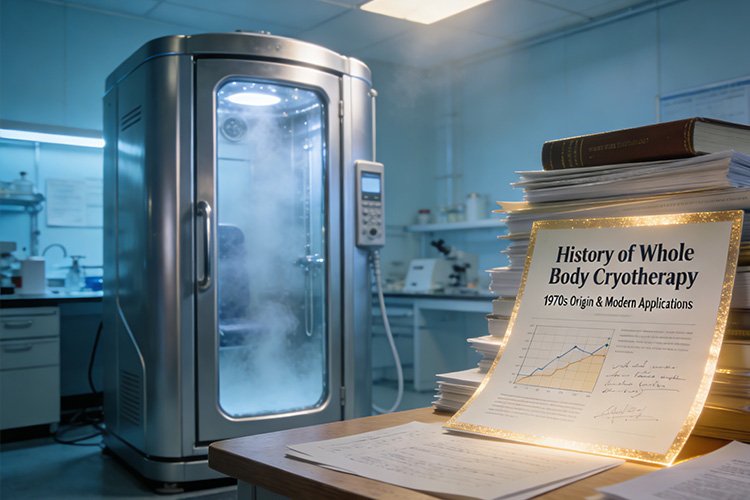
From Ancient Cold Healing to Modern Whole Body Cryotherapy
Long before modern science, cold-based healing practices were already emerging. Ancient Egyptian physicians used cold compresses to relieve injuries and reduce inflammation, while the Greek physician Hippocrates documented using low temperatures to treat wounds and swelling. These early practices relied on observation, yet they laid the foundation for understanding how cold can influence pain and inflammation.
In the 19th century, physicians began formalizing cold therapy. For example, James Arnott applied extreme cold locally to treat tumors and pain, helping reduce swelling and discomfort with early cryotherapy techniques.
The modern concept of whole body cryotherapy emerged in the late 1970s in Japan. Rheumatologist Dr. Toshima Yamaguchi applied full-body cold exposure to manage rheumatoid arthritis symptoms. His research showed that rapid cooling of the skin could trigger endorphin release and significantly reduce pain, providing relief for patients with chronic discomfort.
By the 1980s, whole body cryotherapy spread to Europe and gained traction in sports medicine. Research and clinical observations demonstrated that brief sessions at extremely low temperatures could accelerate muscle recovery and reduce delayed onset muscle soreness (DOMS) after high-intensity training.
Clinical studies have since explored cryotherapy’s effects on inflammation and skin conditions. Some findings suggest that controlled cold exposure may help reduce inflammatory responses and support factors related to skin health and collagen production.
Today’s whole body cryotherapy chambers use liquid nitrogen or advanced refrigeration to create controlled ultra-low temperature environments, typically between –110°C and –140°C for 2–3 minute sessions. This rapid cold exposure causes surface blood vessels to constrict and then rapidly dilate afterward, producing effects similar to ice packs or cold-water immersion without the discomfort of prolonged wet cold.
Core Mechanisms of Whole Body Cryotherapy: Physiological and Psychological Dimensions
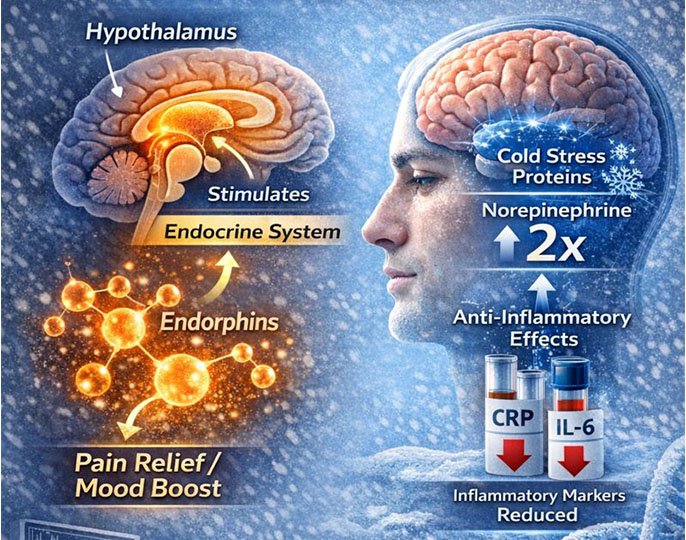
Central Nervous System (CNS) Response to Cold Stress
When the body is exposed to the extremely low temperatures of a whole body cryotherapy session, the central nervous system responds immediately, with the hypothalamus acting as a key “commander.” It quickly activates the endocrine system, stimulating the rapid release of endorphins, which help reduce pain perception and provide a short-term sense of well-being.
At the same time, cold exposure triggers cold stress proteins in the brain, promoting the secretion of norepinephrine at levels more than twice the normal baseline. Research shows that norepinephrine, beyond being a neurotransmitter, also has potent anti-inflammatory effects, helping to suppress inflammation caused by tissue damage or external stressors. Sports medicine studies indicate that this mechanism contributes to faster recovery from muscle soreness after exercise and provides a mental boost, increasing alertness and energy.
Overall, the CNS response to cold stress forms the core physiological foundation of whole body cryotherapy: brief exposure to extreme cold triggers a neuroendocrine cascade that both regulates pain and inflammation while enhancing mental alertness and overall well-being.
Sympathetic Nervous System Response in Blood Circulation
The changes in blood circulation triggered by whole body cryotherapy are like giving your body a highly focused “recharge and rejuvenation workout.” Once you step into the cryotherapy chamber, the extreme cold is quickly sensed by the brain. Within 30 seconds to a minute, blood from the extremities rapidly shifts toward the body’s core—like students scattered across a playground instantly gathering at the center when the whistle blows. In this central zone, the blood becomes enriched with oxygen and nutrients, stocking the body with the energy it needs.
When you exit the chamber, your skin quickly warms up, and the energy-rich blood surges back to the limbs—like the students dispersing again, now carrying supplies to every corner. As it flows, the blood helps flush out metabolic waste while delivering fresh oxygen and nutrients to every cell. Whether it’s sluggish circulation from prolonged sitting or minor depletion from exercise, this core-to-periphery blood shift helps restore smooth circulation, supporting faster cellular repair and regeneration.
Psychological Mechanisms Triggered by Cold Exposure
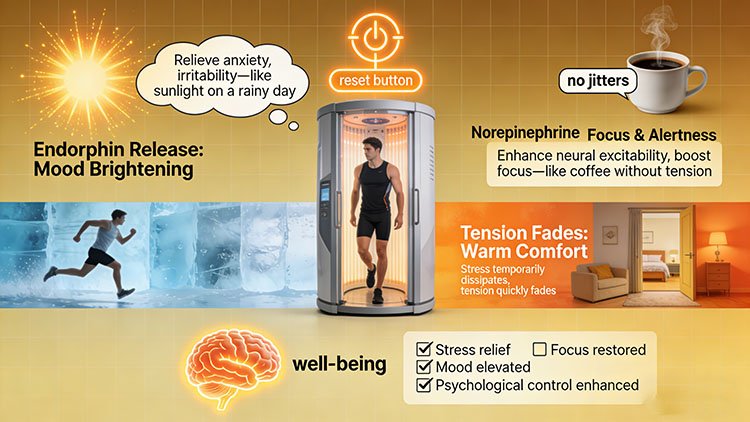
Stepping into a whole body cryotherapy chamber is like pressing a “reset button,” instantly triggering dual responses in the body and brain, producing noticeable psychological effects. First, cold exposure stimulates the release of endorphins, the so-called “feel-good hormones,” which help relieve anxiety and irritability—like seeing a burst of sunlight on a gloomy, rainy day, instantly brightening your mood. For office workers under constant pressure, this sense of pleasure feels like a quick recharge for the brain, allowing stress to temporarily dissipate.
At the same time, cold exposure increases norepinephrine levels, enhancing neural excitability and boosting focus and attention—like drinking a cup of coffee for alertness, but without the jitteriness or tension. Athletes recovering from intense training, office workers who have been sitting for hours, or students studying for long periods can all benefit from this mechanism, quickly regaining mental clarity and energy.
The brief psychological tension caused by cold stress quickly fades as the body warms up after the session—similar to the relief and comfort you feel when stepping into a warm room after sprinting in a winter breeze. Combined with reduced pain or physical discomfort, this positive feedback reinforces a sense of control over the body, further enhancing overall psychological well-being.
In short, cold treatment is not just a tool for physical recovery—it acts as a synchronized body-and-mind reset switch, allowing people to experience revitalized energy, stress relief, and heightened mood in just a few minutes.
Promoting Collagen Synthesis for Skin Rejuvenation
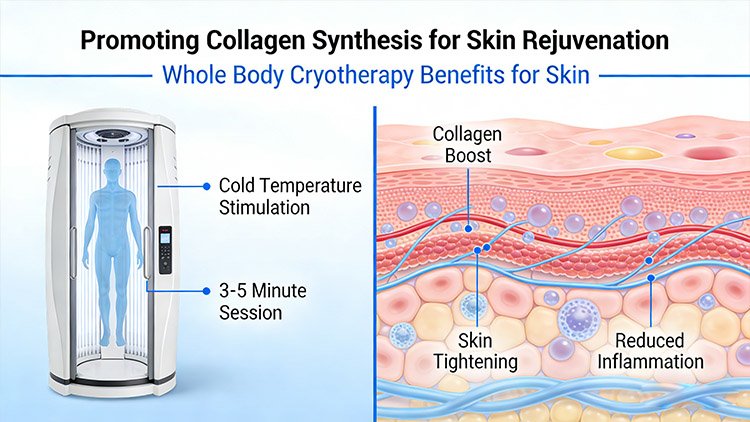
Whole body cryotherapy not only supports physical recovery but also has a direct impact on skin health and rejuvenation. First, the redistribution of blood flow triggered by cold exposure delivers more oxygen and protein-rich nutrients to the dermis, providing essential building blocks for fibroblasts to synthesize collagen. It’s like “sending construction materials” to the skin, ensuring the collagen production line has everything it needs to maintain elasticity and firmness. This is particularly beneficial for people who spend long hours at a computer, sit for extended periods, or suffer from dull skin due to lack of sleep.
Second, cold exposure stimulates the release of norepinephrine, which has potent anti-inflammatory effects. This helps suppress chronic skin inflammation and protects collagen from structural damage, reducing the formation of fine lines or sagging. Think of it as putting a “protective shield” around your skin. For individuals with sensitive skin, redness, or occasional breakouts, this anti-inflammatory effect helps stabilize and improve overall skin condition.
Finally, the gentle stimulation of low temperatures causes superficial capillaries to constrict and then rapidly dilate, boosting skin metabolism and promoting waste removal. Combined with enhanced collagen synthesis, the skin appears tighter, more radiant, and rejuvenated—almost like an “internal refresh” for the skin. Whether you want to combat dullness caused by daily stress or maintain a youthful, firm appearance, whole body cryotherapy provides noticeable and tangible skin benefits in a short period.
Supporting Fat Loss
Whole body cryotherapy can help with fat loss, and many people report that it makes their body “get moving.” The cold exposure wakes up brown fat, which acts like a small furnace, burning stored white fat to generate heat and maintain body temperature. With regular sessions, it’s like giving your metabolism a boost, allowing people who sit or move little in daily life to burn a bit more calories.
Cryotherapy also speeds up blood circulation, helping carry away fat breakdown byproducts and reducing local fat accumulation. It’s like giving your body an internal circulation “clean-up,” making areas prone to fat build-up—such as the waist and legs—feel lighter and more energized.
In addition, cryotherapy helps relieve post-workout muscle soreness and fatigue, so your next training session feels easier and more effective. Many fitness enthusiasts use the “training + cryotherapy” combination, which allows for quicker recovery while keeping fat-burning consistent, helping their weight-loss plan progress more smoothly.
In short, whole body cryotherapy isn’t a direct “slimming cure,” but it’s a tool that helps your body work more efficiently, supports smoother workouts, and keeps fat metabolism active—making the fat-loss process easier and more continuous.
The Complementary Benefits of Whole Body Cryotherapy: Dual Body-and-Mind Recovery
Whole body cryotherapy isn’t just about physical recovery—it also helps regulate the mind, providing a dual body-and-mind repair effect. Our body’s natural ability to recover has limits: long-term injuries, systemic inflammation, or chronic conditions can slow down physical repair, which over time may lead to stress, irritability, or low mood. At the same time, issues like collagen loss, slower metabolism, or fat accumulation can make the skin look and feel less healthy, reflecting reduced self-regulation.
Whole body cryotherapy uses cold exposure to help reset the body’s physiological systems, boosting the release of efficient hormones and proteins while enhancing blood circulation. This supports the repair of injuries, reduces inflammation, and promotes collagen synthesis and fat metabolism. At the same time, it positively affects the mind, easing stress and improving mood.
Think of it as a full recharge for body and mind, creating a positive cycle: physical comfort → improved mood → coordinated body-and-mind recovery. This comprehensive approach helps people feel healthier, both inside and out.
Other Potential Benefits of Whole Body Cryotherapy
Not FDA-approved; for potential reference only
1. Physiological Potential Benefits
- May relieve pain and muscle soreness, supporting post-workout recovery.
- Can help ease joint pain or nerve-related discomfort.
- May reduce migraine symptoms or improve certain skin conditions.
- Early research suggests possible support for low-risk tumor management and slowing cognitive decline.
2. Psychological / Mind-Body Potential Benefits
- May help improve mood and reduce anxiety or depressive feelings.
Overall, these are short-term supportive effects you might notice, not medical treatments, but they can provide additional body and mind support.
Yuncong Brand Statement
Our Belief
Yuncong recognizes the dual benefits of whole body cryotherapy for both body and mind, including physiological improvements and mental relaxation. We also acknowledge its supportive role in skin health (collagen), weight management, and other potential benefits, as reflected in real user experiences.
Our Product Philosophy
We focus on developing safe, efficient cryotherapy chambers that deliver real physiological and psychological effects. Each session supports skin vitality, recovery, and overall wellness, reinforcing the value of our brand.
Experience It Yourself
Book a session with Yuncong and enjoy the dual benefits of body and mind recovery—feel rejuvenated, lighter, and refreshed.
