
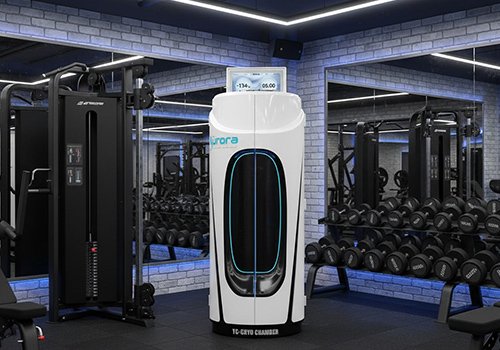

A cold therapy chamber is often compared with other cryotherapy cold chambers, but the real differences are frequently misunderstood.
In this guide, we compare cold therapy chambers, cryo cold chambers, and other cold recovery chamber solutions, with a focus on safety, cooling technology, and performance for athletes.
What Is a Cold Therapy Chamber?
A cold therapy chamber is a controlled environment designed to expose the body to low temperatures for full-body recovery, pain relief, and post-training regulation. Unlike traditional ice packs or localized cold therapy, a cold therapy chamber delivers a consistent and repeatable whole-body cooling experience, allowing the body to trigger systematic physiological responses within a short period of time.
In real-world applications, cold therapy chambers are widely used in gyms, professional sports training facilities, rehabilitation clinics, and premium wellness centers. For most users, the primary concern is not simply how cold the chamber can get, but whether the experience is safe, comfortable, and suitable for repeated use. Athletes, for example, often rely on cold exposure to reduce muscle inflammation after intense training sessions. However, uneven cooling or excessive localized cold can negatively impact comfort and, in some cases, increase risk rather than improve recovery.
From a business perspective, operators face a different set of challenges. High-frequency use, system stability, and operating costs are critical factors when integrating a cold therapy chamber into a commercial environment. Equipment that requires complex handling, frequent maintenance, or unpredictable performance can quickly become a burden rather than a value-adding service.
For these reasons, an effective cold therapy chamber must strike a balance between cooling performance, safety design, and user experience. Only by meeting both recovery needs and operational requirements can it deliver consistent results for athletes while remaining practical for long-term commercial use.
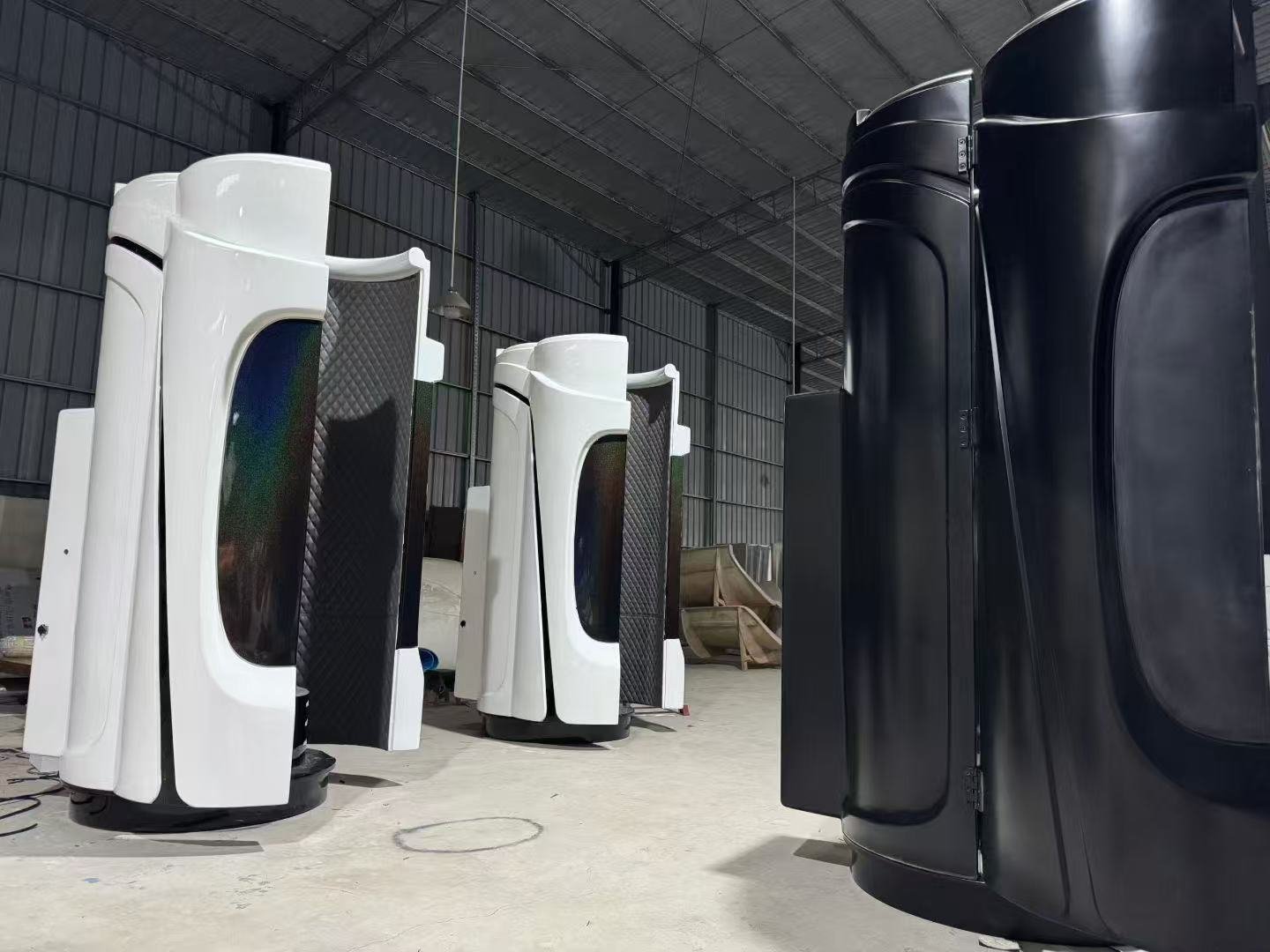
Types of Cryotherapy Cold Chambers
Full-body cryotherapy cold chambers stimulate the body’s recovery mechanisms through short-term exposure to extremely low temperatures inside a fully enclosed chamber. They are widely used in sports recovery, wellness centers, and high-end fitness facilities.
Based on cooling technology, full-body cryotherapy chambers are generally categorized into liquid nitrogen cryotherapy chambers, electric cryotherapy chambers, and portable cryotherapy chambers. Each type differs significantly in cooling speed, minimum temperature, and intensity of cold stimulation, which determines its most suitable application scenarios.
Liquid Nitrogen Cryotherapy Chambers: Ultra-Low Temperature for Maximum Recovery Efficiency
The defining feature of liquid nitrogen cryotherapy chambers is their extremely fast cooling speed and ultra-low achievable temperature. In practical use, the chamber temperature can drop to as low as –180°C within approximately 3 minutes, delivering a strong and concentrated cold stimulus.
This type of cryotherapy is particularly suitable for high-intensity professional sports, such as football, basketball, and rugby. After matches or intensive training, athletes often experience significant muscle soreness and swelling, which normally require 48–72 hours for natural recovery.
Following a short cryotherapy session of about 3 minutes at ultra-low temperatures, many professional sports teams report that recovery time can be reduced to 24–48 hours, with some athletes able to resume light or basic training the next day. For professional teams with dense competition schedules, this difference in recovery time can be critical for maintaining performance and reducing the risk of cumulative fatigue.
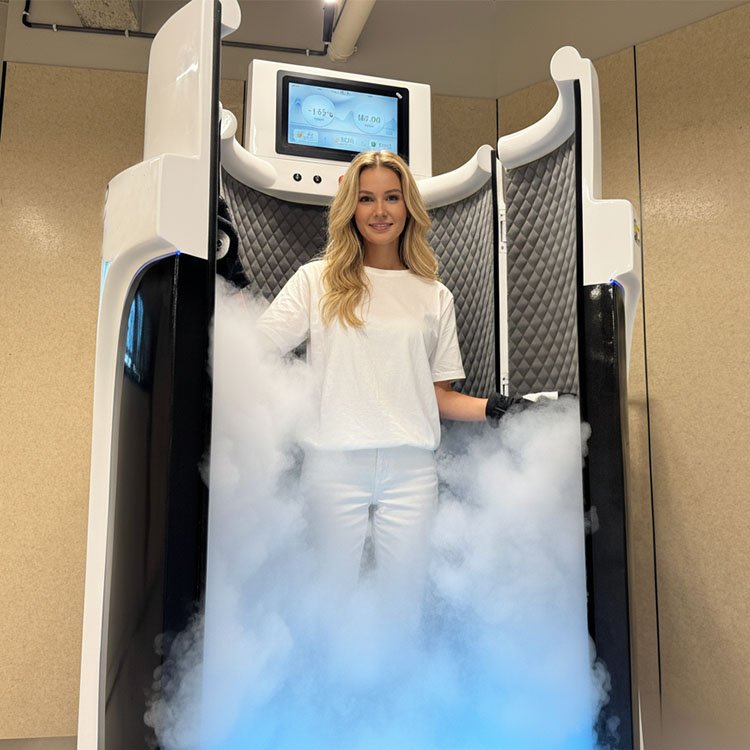
Electric Cryotherapy Chambers: Stability, Control, and Daily Recovery
Electric full-body cryotherapy chambers focus on operational stability, safety, and precise temperature control, making them a popular choice for wellness centers, rehabilitation facilities, and chain gyms.
Compared with liquid nitrogen systems, electric cryotherapy chambers have a slower cooling process. Typically, it takes around 90 minutes to reach –130°C, and the system usually requires approximately 2 hours of pre-cooling before use. As a result, the overall cold intensity is more moderate.
This controlled and consistent cooling is well suited for daily recovery and long-term operation. For individuals who engage in regular fitness training or spend long hours at a desk, muscle stiffness and general fatigue often last 1–2 days. With regular use of an electric cryotherapy chamber at –100°C to –130°C, many users report noticeable relief from physical tension within 24 hours, supporting consistent training routines and improved sleep quality.
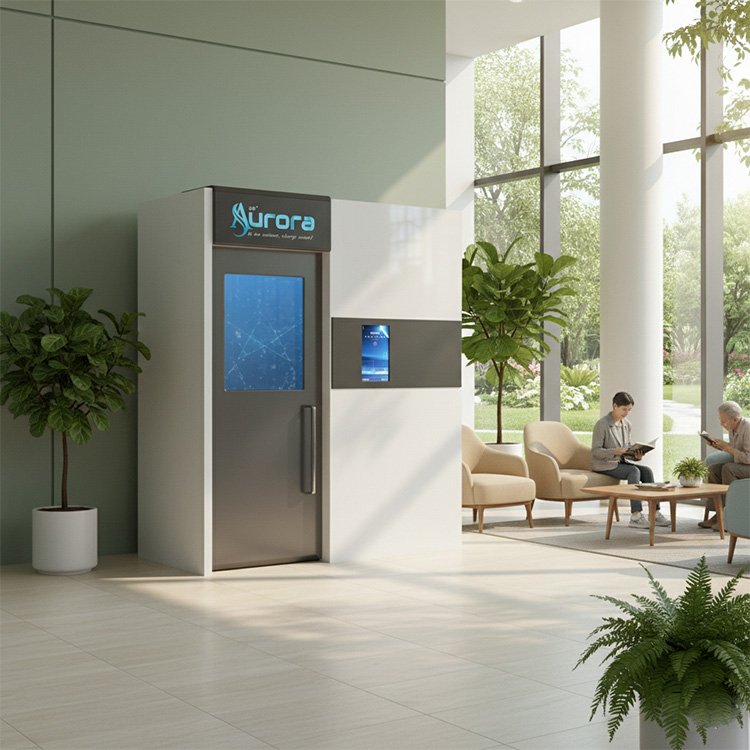
Portable Cryotherapy Chambers: Flexible and Supplementary Recovery
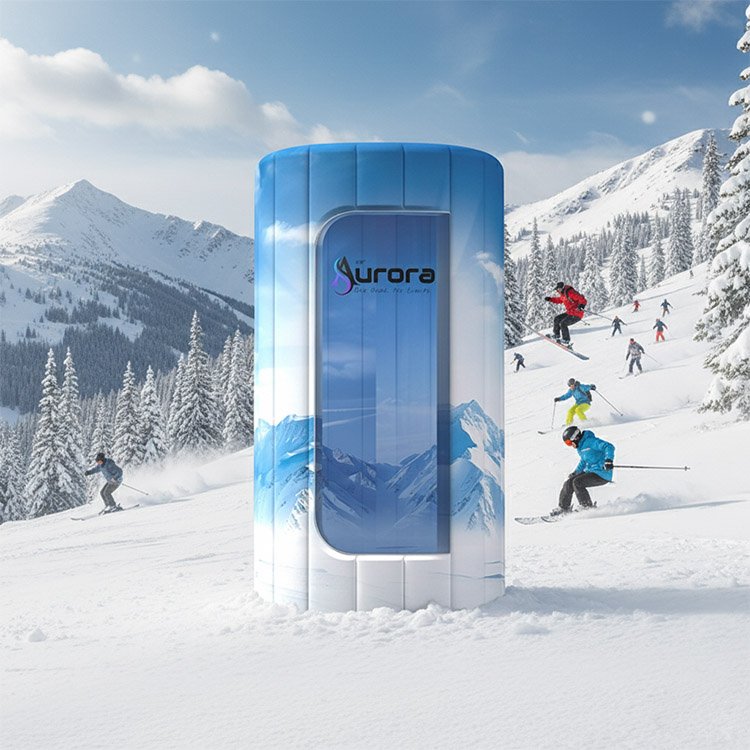
Portable full-body cryotherapy chambers are primarily designed for home users, temporary installations, and outdoor sporting events. These chambers are typically made from lightweight materials such as Oxford fabric, allowing for easy transport and quick setup, but with limited thermal insulation.
The minimum temperature generally does not exceed –130°C, and session times are usually kept between 3 and 5 minutes. Portable cryotherapy chambers are best suited for short, basic cold exposure rather than high-intensity professional recovery.
After moderate exercise or running, mild fatigue may persist throughout the day or into the next day. A brief portable cryotherapy session may help relieve muscle tightness on the same day for some users. However, the overall recovery effect is usually less pronounced than that of fixed, indoor full-body cryotherapy chambers, making portable systems more appropriate as a supplementary recovery solution.
Summary: Choosing the Right Full-Body Cryotherapy Chamber
Different types of full-body cryotherapy cold chambers offer distinct advantages in terms of cooling speed, minimum temperature, and cold stimulation intensity, each serving different recovery needs and operating environments.
In general, lower temperatures produce stronger cold stimulation and more noticeable recovery responses, while actual results still depend on training intensity, usage frequency, and individual physical condition. Understanding these differences allows users to select the cryotherapy solution that best matches their recovery goals, operational requirements, and target users.
Cold Therapy Chamber vs Cryo Cold Chamber: Key Differences
In practical use, Cold Therapy Chamber and Cryo Cold Chamber do not always refer to the same type of equipment. Cold Therapy Chamber is often used as a broader industry term. In many wellness centers and gyms, it may refer not only to full-body cold therapy systems but also to localized cold therapy devices designed for specific areas such as the shoulders, knees, or ankles. These systems typically focus on controlled temperatures and frequent use, making them suitable for daily recovery after training or for people who spend long hours sitting at work.
By contrast, Cryo Cold Chamber usually has a more specific meaning. It most commonly refers to full-body cryotherapy chambers operating at ultra-low temperatures, where the entire body is exposed to cold for a short period. This type of chamber is widely used in high-intensity sports environments, such as professional football or basketball, where athletes need faster recovery following matches or intensive training, especially during dense competition schedules.
From a user experience perspective, the former is easier to use on a regular basis and supports long-term recovery routines, while the latter is designed for short, high-intensity cold exposure. For this reason, clearly identifying whether full-body treatment is required often matters more than the terminology itself when selecting a cold therapy solution.
Real Cryotherapy & Cold Therapy Use Cases (With References)
1. Serena Williams’ Cryotherapy Session
Tennis legend Serena Williams shared her experience with an ultra‑cold cryotherapy chamber at ‑110°F for a 3‑minute session, noting she “can feel a difference” compared to previous attempts. This illustrates how top athletes are integrating cryotherapy into their wellness routines.
🔗 See example: Serena Williams Endures 3 Minutes in -110° Cryotherapy Session
2. Elite Athletes Using Cryotherapy for Recovery
A variety of top-level athletes incorporate cryotherapy into their training and recovery routines. These include Usain Bolt, Floyd Mayweather Jr., LeBron James, and many others across sports who use cryotherapy to support recovery and manage muscle soreness.
🔗 See example: Cryotherapy in Sports Recovery: Revolutionizing Athletic Performance
3. Professional Team Usage (NBA & More)
Cryotherapy chambers have been installed in professional team training facilities, such as the Phoenix Suns in the NBA. Teams using whole-body cryotherapy report benefits related to faster recovery and reduced injury time during dense seasons.
🔗 See example: Teams like Phoenix Suns adopting cryotherapy for recovery in training facilities
4. Broad Athlete Adoption Across Sports
Beyond individual stars, athletes across different disciplines — from soccer’s Cristiano Ronaldo, tennis’s Novak Djokovic, to MMA’s Conor McGregor — have been reported using cryotherapy tools as part of structured recovery and performance routines.
🔗 See example: Benefits of Whole-Body Cryotherapy for Athletes
Why These Matter
These real-world examples show how cryotherapy — especially full-body Cryo Cold Chambers — is being used across elite sports to support post-training recovery, muscle soreness reduction, and readiness for the next session or competition. Understanding the differences between broader Cold Therapy Chambers and high-intensity Cryo Cold Chambers can help athletes, fitness enthusiasts, and wellness centers choose the right solution for their recovery goals.
Safety, Recovery Results, and Athlete Experience
| Dimension | Cold Therapy Chamber | Cryo Cold Chamber |
|---|---|---|
| Definition | Broad term, can refer to full-body or localized cold therapy devices | Typically refers to full-body ultra-low temperature cryotherapy chambers |
| Target Users / Use Cases | Fitness enthusiasts, office workers, wellness centers; daily recovery and fatigue relief | Professional athletes; rapid recovery after high-intensity training, e.g., football, basketball |
| Temperature / Cold Intensity | Controlled temperature, mild cold stimulus, suitable for frequent use | Ultra-low temperature, short-term high-intensity exposure, can reach as low as -180°C, 2–3 minute sessions |
| Recovery Results | Regular use can relieve neck/shoulder tension and overall fatigue, noticeable improvement within 24 hours | Can reduce natural recovery time from 48–72 hours to 24–48 hours, some athletes can resume basic training the next day |
| User Experience / Safety | Gentle, stable, low barrier to entry, suitable for continuous use | Requires professional guidance to avoid local overcooling or discomfort for first-time users |
| Usage Frequency | Can be used daily, ideal for long-term, consistent recovery | Short-term, high-intensity use, typically after matches or training sessions |
| Key Advantages | Stable, safe, continuous recovery; suitable for general population | Efficient, fast, strong stimulus; ideal for post-match or high-intensity training recovery |
Usage Tips:
- Cold Therapy Chamber: Best for daily fitness recovery, wellness centers, and office fatigue relief, prioritizing stability and continuous use.
- Cryo Cold Chamber: Best for professional or high-intensity athletes, prioritizing rapid recovery and high-efficiency cold stimulation.
Which Cold Chamber Is Best for Athletes and Recovery Centers?
Choosing the right athlete cold chamber depends on the user’s training intensity, recovery needs, and usage environment. For professional athletes or high-intensity training groups, liquid nitrogen cryo chambers are the preferred option. With their rapid cooling capability (reaching ‑180°C in about 3 minutes), they can stimulate muscles across the body, accelerate lactic acid metabolism, and significantly shorten recovery time from soreness and swelling. For teams with dense schedules, such as football or basketball squads, this means athletes can resume basic training the next day and maintain peak performance.
In recovery centers or high-end fitness clubs, electric cryo chambers are more suitable for regular use. Although the cooling process is slower (taking about 90 minutes to reach ‑130°C), they offer controllable temperatures and stable operation. Users can conduct routine post-training recovery safely and efficiently. Compared to liquid nitrogen chambers, electric chambers are easier to manage, do not require liquid nitrogen storage, and reduce operational risks, making them ideal for long-term, continuous use.
For home users or outdoor event recovery stations, portable full-body cold chambers provide flexible, short-term recovery solutions. With lightweight construction and limited insulation, they typically deliver cold therapy within 3–5 minutes, helping runners or fitness enthusiasts relieve mild fatigue quickly, though they are not designed for high-intensity professional recovery.
In summary, each type of cold chamber has its focus: liquid nitrogen for rapid, high-intensity recovery; electric for daily, stable use in recovery centers; portable for short-term, flexible recovery. Choosing the right solution depends on the usage scenario and individual needs.
