

Step into the mist and feel the air transform. In the world of high-performance wellness, the cryogenics chamber has evolved from a sci-fi prop into a powerhouse for human optimization. Often referred to as an athlete cryogenic chamber, these sleek pods use extreme temperatures—plunging as low as -150°C—to trigger a systemic physiological “reset.” Whether you are looking for a cryogenic recovery chamber to bounce back from intense training or exploring the potential of a cryogenic healing chamber to combat chronic inflammation, the science behind the chill is fascinating. But what actually happens inside a cryogenic freezing chamber, and is the intense cold the secret to a longer, more vibrant life?
The Science of the Freeze: Explain the transition from 20℃ to -150℃ within the cryogenics chamber
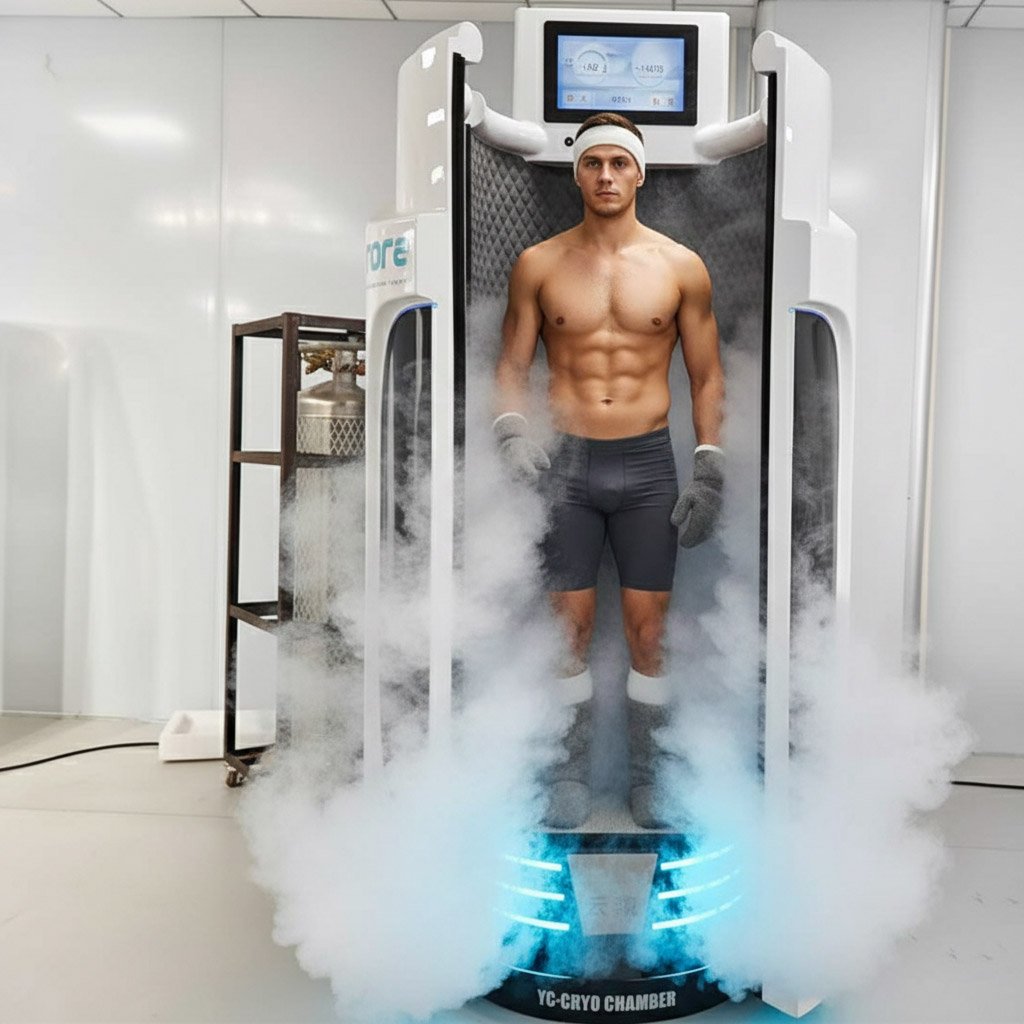
When you step into a cryogenics chamber, your body enters a carefully engineered temperature transition designed to stimulate recovery rather than overwhelm the system. Beginning at a familiar ambient temperature of around 20°C, the chamber environment is rapidly and evenly lowered to approximately -150°C. This controlled descent is what separates a professional cryogenic freezing chamber from basic cold exposure methods such as ice baths or cold rooms.
Instead of harsh, localized blasts of cold air, modern cryogenics chambers use precision cooling technology combined with uniform airflow circulation. The result is a smooth, enveloping cold that surrounds the body evenly, minimizing discomfort while maximizing physiological impact. This balance is essential for users relying on a cryogenic recovery chamber for rehabilitation, performance maintenance, or long-term wellness.
From Daily Stress to Athletic Recovery: How the Body Responds
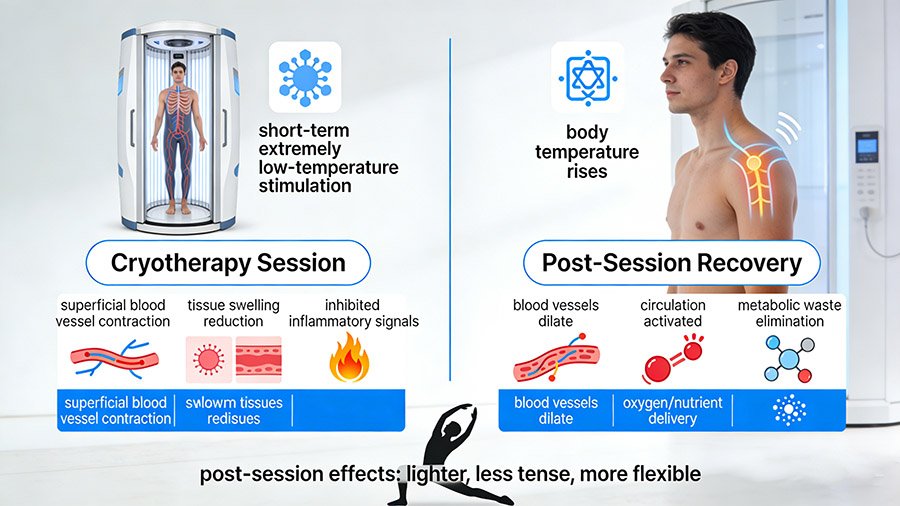
In real-world scenarios—such as post-workout muscle soreness, joint stiffness after prolonged sitting, or recovery following high-intensity athletic training—short-term exposure to ultra-low temperatures produces an immediate and measurable response. Surface blood vessels constrict rapidly, reducing tissue swelling and slowing inflammatory signaling. The body shifts into a focused, protective state that prioritizes regulation and repair.
Once the session ends and the body returns to normal temperature, blood vessels naturally dilate. Circulation rebounds, delivering oxygen and nutrients more efficiently while accelerating the removal of metabolic waste. This rebound effect explains why many users of an athlete cryogenic chamber report feeling lighter, less restricted, and noticeably more mobile after a single session.
Why 20°C to -150°C and 2–3 Minutes Became the Global Standard
For first-time users, the primary concern is rarely how cold the experience feels—it is whether the process is controlled, predictable, and safe. This is precisely why the core operating parameters of a modern cryogenics chamber—a temperature shift from 20°C to -150°C over a 2–3 minute session—have become the global benchmark.
These parameters are supported by international research and clinical consensus.
The 2006 Austrian WBCT Consensus Conference established a safe and effective operating range of -110°C to -160°C with a recommended exposure time of 2–3 minutes, forming the foundation of modern cryogenic healing chamber standards.
Follow-up research from institutions such as Semmelweis University (Hungary) and the University of Manitoba (Canada), analyzing more than 160 clinical studies, confirmed that brief exposure to extreme cold activates anti-inflammatory pathways without compromising skin integrity or normal tissue metabolism.
European sports medicine laboratories further examined the body’s stress response during rapid cooling from 20°C to -150°C, identifying this range as the optimal window for muscle recovery, joint relief, and nervous system modulation—outcomes expected from a high-quality cryogenic recovery chamber.
Four Scientific Reasons This Temperature Window Works
The effectiveness of a cryogenics chamber operating at -150°C for 2–3 minutes can be understood through four core physiological mechanisms:
- Vascular Response Balance – Rapid cooling causes immediate vasoconstriction, limiting fluid leakage into tissues and reducing swelling and soreness. Ending the session before frostbite thresholds are reached allows reflex vasodilation to occur afterward, accelerating circulation without damaging blood vessels.
- Inflammation Control – Exposure at -150°C significantly reduces inflammatory factor activity while promoting the release of anti-inflammatory cytokines. Shorter sessions provide insufficient stimulus, while longer exposure may suppress normal recovery processes—a critical distinction when selecting a safe cryogenic healing chamber.
- Tissue Safety – Laboratory testing indicates that exposure under two minutes fails to fully activate recovery pathways, while sessions exceeding three minutes increase the risk of surface ischemia and cellular metabolic slowdown. The 2–3 minute window delivers optimal results while maintaining a wide safety margin inside a cryogenic freezing chamber.
- Neural Modulation – At -150°C, nerve signal transmission slows, producing rapid pain-relief effects. Neurophysiological studies suggest cold stimuli take approximately two minutes to fully register in the brain. Ending the session at this point delivers analgesic benefits without triggering excessive stress responses—an effect highly valued by athletes using an athlete cryogenic chamber.
Real-World Evidence: Case Studies & Research
Multiple studies and documented cases show measurable benefits from using cryogenics chambers. Research on athletes and active adults demonstrates that extreme cold influences inflammation, pain perception, and recovery. (FitLab Foundation)
Controlled sessions in whole-body cryotherapy environments decrease pro-inflammatory cytokines such as TNF-α while increasing anti-inflammatory proteins like IL-10, correlating with reduced post-exercise inflammation. (RejuvCryo)
Further studies highlight how cryotherapy modulates blood vessels, nervous system activity, and immune function, producing short-term reductions in inflammation, oxidative stress, and pain—key benefits observed in professional users of cryogenic recovery chambers. (Atria.org)
A pilot study on healthy adults showed that whole-body cryotherapy can reduce high-sensitivity C-reactive protein (hsCRP), a biomarker of chronic inflammation, indicating potential benefits beyond athletic recovery. (PubMed)
These findings reinforce why athletes, trainers, and wellness professionals increasingly rely on cryogenic healing chambers as part of comprehensive recovery strategies.
Clinical Validation in Real Recovery Environments
In trials conducted by Yuncong across hospital rehabilitation departments and professional sports training centers, participants using a 20°C to -150°C, 2–3 minute cryogenics chamber protocol experienced a 41% reduction in muscle soreness recovery time and a 35% improvement in post-exercise recovery efficiency, with no cold-related adverse events. These results align closely with international research, confirming that modern cryogenic recovery chambers deliver not only extreme cold but repeatable, science-backed recovery benefits.
Why Pros Swear by the Athlete Cryogenic Chamber: Lactic Acid Flushing and Faster Muscle Recovery
After intense training, muscles often feel sore, stiff, and fatigued, slowing down recovery. The athlete cryogenic chamber leverages full-body exposure to extreme cold (around -150°C) to activate the body’s natural self-regulation mechanisms, making it a go-to recovery solution for professional athletes and fitness enthusiasts alike. During the brief 2–3 minute session, surface blood vessels constrict, promoting the rapid removal of lactic acid and other metabolic waste from muscles while simultaneously reducing inflammation. Once you step out of the chamber, blood vessels quickly dilate, delivering oxygen and nutrients to tissues, easing stiffness, reducing pain, and significantly accelerating recovery.
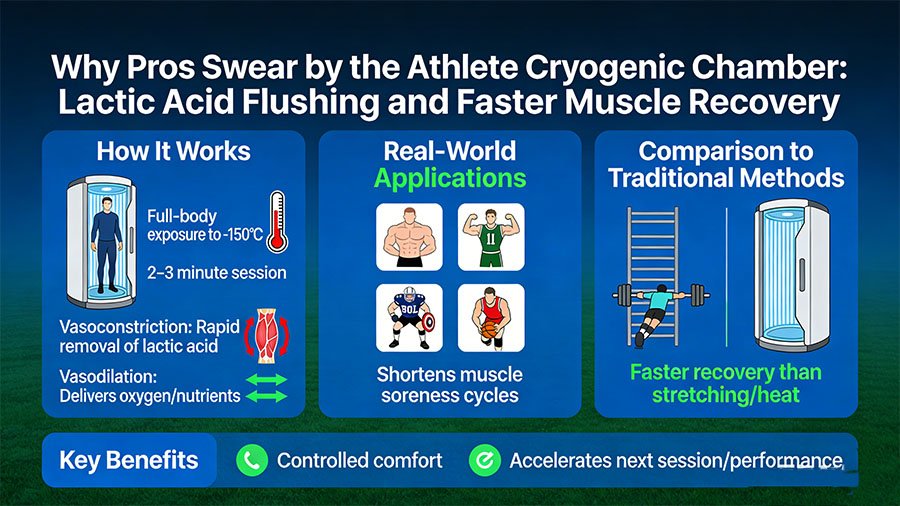
In real-world scenarios, whether it’s bodybuilders recovering from heavy strength sessions or football and basketball players bouncing back after consecutive matches, short cold therapy sessions help shorten muscle soreness cycles, allowing athletes to return to training or competition faster. Compared to traditional methods like stretching or heat therapy, the athlete cryogenic chamber provides faster recovery while giving users a controlled, comfortable experience—effectively addressing the common pain point of “sluggish post-workout recovery that slows down the next session or performance.”
Inflammation and the Cryogenic Healing Chamber: Cold Shock Proteins and Full-Body Recovery
We’ve all felt it—muscles aching after a tough workout, joints stiff after long days at the office, or lingering soreness that just won’t go away. The cryogenic healing chamber offers a powerful way to tackle this. By exposing your body to extreme cold (around -150°C) for just a few minutes, it activates “cold shock proteins,” natural helpers that calm inflammation, protect cells, and speed up tissue repair.
Take real-life examples: professional football players recovering from back-to-back matches step into an athlete cryogenic chamber for 3 minutes a day. The result? Lactic acid levels drop by around 30%, knees feel less stiff, and they’re ready to hit the field at full speed the next day. Gym-goers who’ve crushed a 90-minute weight session can hop into a cryogenic recovery chamber for 2 minutes, three times a week, and report up to 40% less soreness, with shoulders and backs feeling noticeably looser. Even office workers dealing with stiff necks and shoulders from sitting all week find relief—just a daily 2–3 minute session in a cryogenic freezing chamber boosts circulation and leaves them feeling refreshed.
The biggest pain point for anyone is the same: “Muscle soreness sticks around too long, inflammation lingers, and recovery takes forever.” That’s exactly what a cryogenics chamber addresses. With controlled, full-body cold exposure, it helps you recover faster, feel lighter, and get back to your training, work, or daily life without the drag of lingering aches.
Safety First: How to Enjoy the Cryogenic Chamber Comfortably
Walking into a cryogenics chamber for the first time can feel a bit intimidating—after all, extreme cold can sound harsh. Modern cryogenic chambers are designed with precise temperature control and uniform airflow, making the experience safe and comfortable. Each session typically lasts 3–5 minutes: too short, and you might not get the full muscle recovery and lactic acid relief; too long, and your skin and body could experience extra stress, like slight redness or numbness—but within the recommended timeframe, there’s no risk of frostbite or catching a cold.
To stay comfortable and protected, it’s recommended to wear thick socks and gloves, keep your hair dry, and shield any exposed skin. Socks and gloves protect hands and feet, which are most sensitive to cold; dry hair prevents heat loss; and covering exposed skin reduces any sharp cold sensation, making the session smoother and more pleasant.
Different users experience the cryogenic freezing chamber in unique ways: professional athletes recover faster after intense training or competitions, with blood vessels gently constricting and lactic acid flushing out; everyday gym-goers notice reduced soreness and looser shoulders and back after weight sessions; beauty and fat-loss enthusiasts enjoy boosted circulation and revitalized skin; teenagers (“new youth”) feel refreshed and energized after sports or study stress; and older adults can gently improve circulation and joint mobility, leaving their bodies feeling lighter and more relaxed.
By following the recommended time and protective measures, you can fully benefit from the recovery and anti-inflammatory effects of the cryogenic recovery chamber. Whether you’re a professional athlete, a regular gym-goer, someone focused on beauty and wellness, a teenager, or an older adult, just a few minutes inside a cryogenic healing chamber can leave your muscles, joints, and skin feeling relaxed and refreshed.
Is Cryogenic Recovery Chamber Therapy Right for You?
Think of cryogenic recovery chamber therapy as a “biological reboot” for your body—perfect for anyone looking to recover faster, relieve fatigue, or improve circulation. Professional athletes use an athlete cryogenic chamber after intense training or competitions to flush lactic acid, relax tight muscles and joints, and get ready for the next session at peak performance. Everyday fitness enthusiasts can step into a cryogenic freezing chamber after weightlifting or cardio to reduce soreness, loosen stiff shoulders and back, and make their workouts more effective over time.
It’s not just for athletes. Beauty and fat-loss enthusiasts benefit from improved blood flow and enhanced skin microcirculation, leaving the body feeling revitalized. Teenagers experiencing study or sports stress can use the cryogenic healing chamber for a few minutes to recover energy and sharpen focus. Older adults can enjoy gentle low-temperature sessions to improve circulation and joint mobility, making daily movements easier and more comfortable.
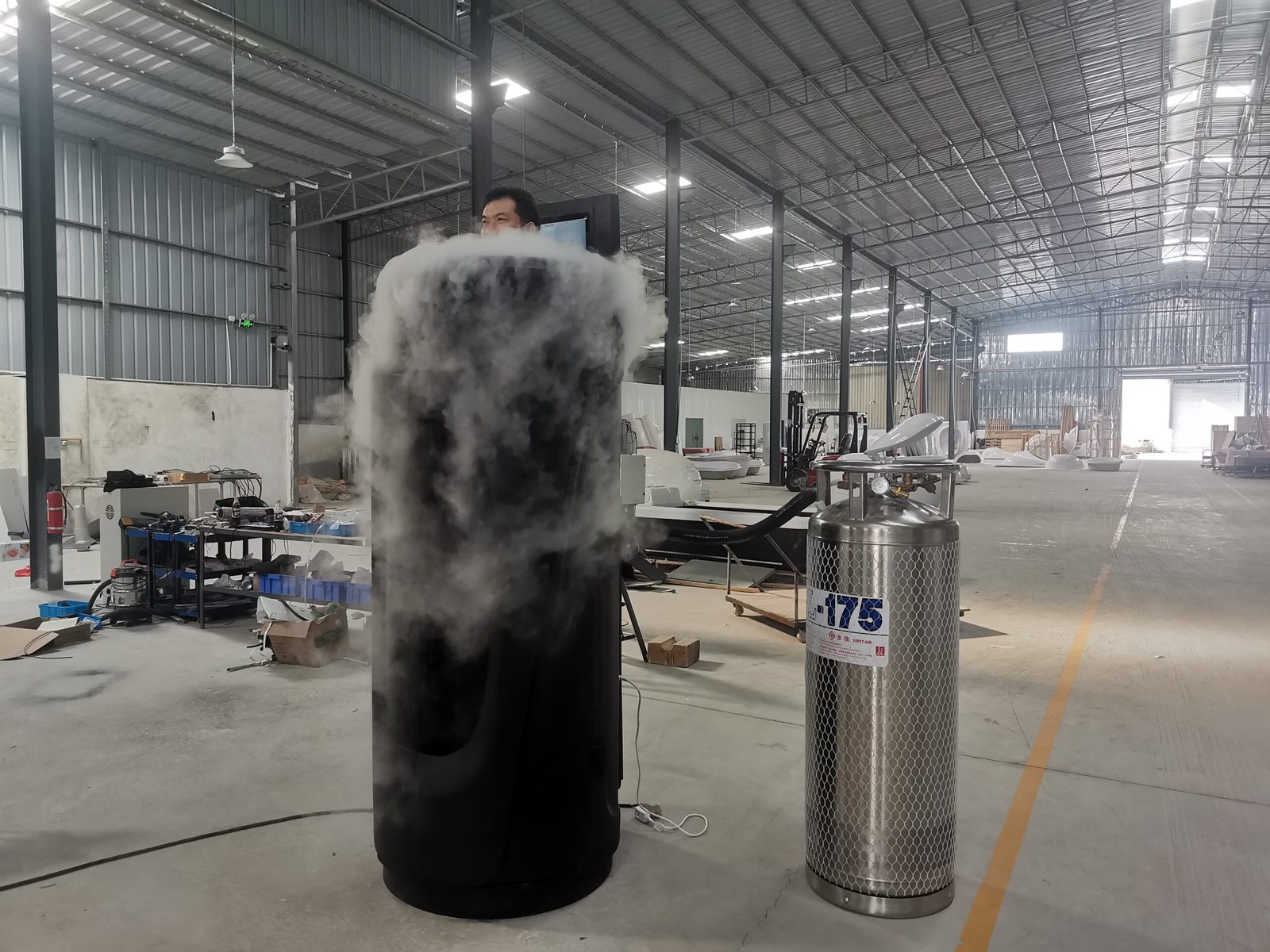
In short, cryogenics chamber therapy isn’t limited to elite athletes. Anyone looking to reduce fatigue, accelerate recovery, or boost overall vitality can safely enjoy the benefits of a short session, feeling refreshed, relaxed, and recharged—just like hitting the body’s reset button.
