

The most common question that most people ask about the hyperbaric oxygen chamber is:
“When I’m inside the chamber, the staff keeps mentioning ATA. What exactly is ATA? Should I choose 1.2 or 1.8? What’s the real difference?”
It’s not just beginners who are confused. Even people who have done a few HBOT sessions still don’t fully understand ATA. Some believe, “As long as I sit in a hyperbaric chamber, it must work.” They try for a month or two but still feel tired and sleep poorly. Others get nervous as soon as they hear “high pressure,” experience ear discomfort, and quit. Some even invest in a home hyperbaric oxygen chamber, but don’t realize the ATA setting they chose can’t deliver the repair results they expect.
Not all hyperbaric chamber models deliver the same therapeutic intensity. Choosing the right hyperbaric oxgyen chamber pressure is not about buying the highest number. It is about matching pressure to your goals.
Today, I’ll explain ATA in the simplest way possible — no complicated theory, no medical jargon. After reading this, you’ll know exactly how to choose the right pressure level so you don’t waste money or suffer discomfort, and can truly benefit from oxygen therapy.
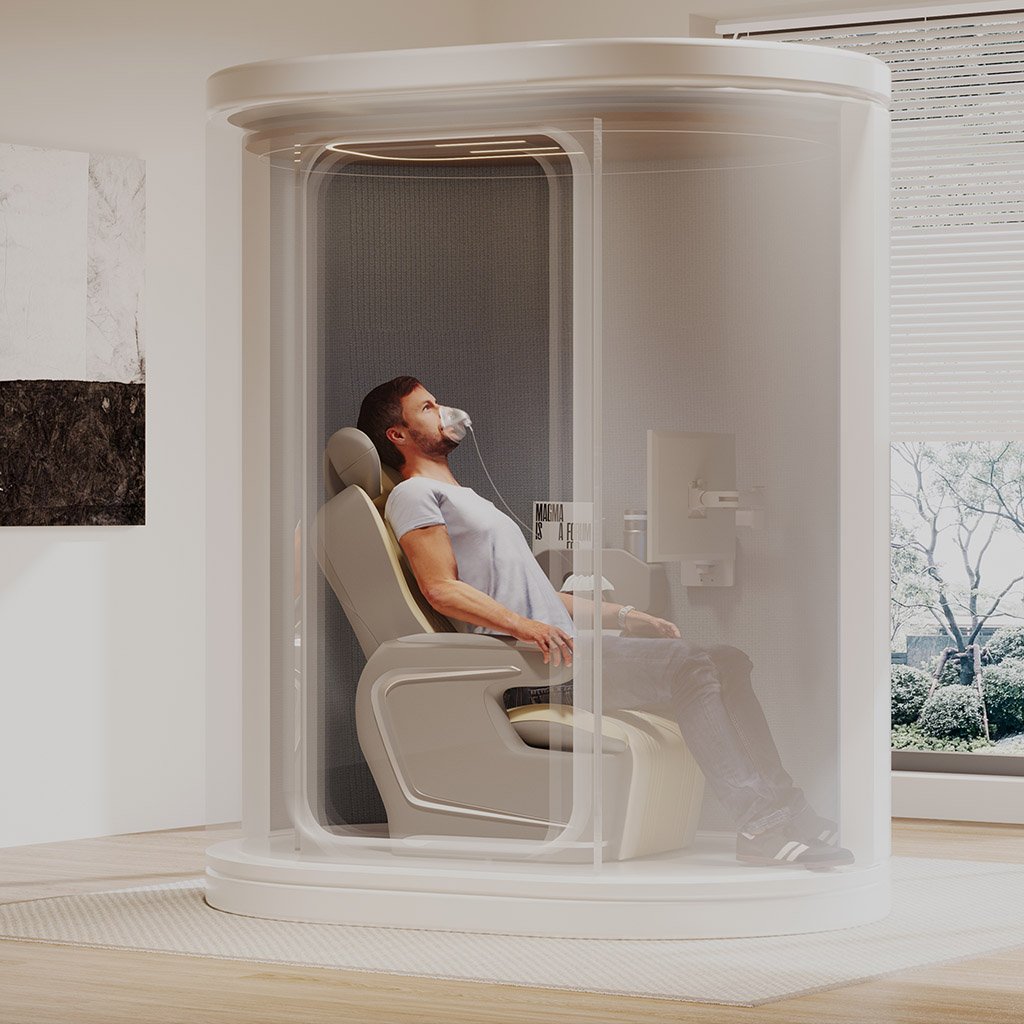
What Is ATA in a Hyperbaric Chamber?
ATA stands for Atmospheres Absolute. Put simply, ATA is the “intensity setting” of a hyperbaric chamber. It’s just like the power level on a household appliance or the accelerator pedal in a car—the higher the setting, the stronger the effect.
When we breathe normal outdoor air every day, the pressure is 1 ATA. This is the baseline, “no added pressure” state. Oxygen enters the lungs through breathing and then slowly transfers into the bloodstream. However, deep tissues and fatigued muscles are often difficult to fully “feed” with oxygen under normal pressure.
The purpose of a hyperbaric chamber is to increase internal pressure (in other words, increase the ATA level), which physically pushes more oxygen into the body. The higher the ATA value, the greater the pressure—allowing oxygen to penetrate deeper and reach areas it normally cannot.
Let’s use a simple everyday analogy: doing laundry.
Think of ATA like the spin speed of a washing machine:
- 1 ATA = “Soak mode.” The clothes sit in water but don’t spin. They get wet on the surface, but deep stains remain. This is like normal breathing—oxygen reaches the lungs but doesn’t deliver strong therapeutic effects to deeper tissues.
- 1.4–1.5 ATA = “Gentle wash.” The movement is mild, safe, and effective at removing surface dirt without damaging fabric. In hyperbaric therapy, this corresponds to gentle oxygen supplementation—ideal for beginners, older adults, daily wellness, and sleep improvement.
- >1.6–2.0 ATA = “Power wash.” The higher spin speed removes deep, stubborn stains. In a hyperbaric chamber, this means deeper oxygen delivery—oxygen penetrates into muscles and cells, supporting real fatigue reduction and tissue repair.
In short, ATA isn’t complicated—it simply measures how strong the oxygen delivery effect will be. Choosing the right level determines whether you’re just “soaking” in oxygen or truly achieving deep recovery.
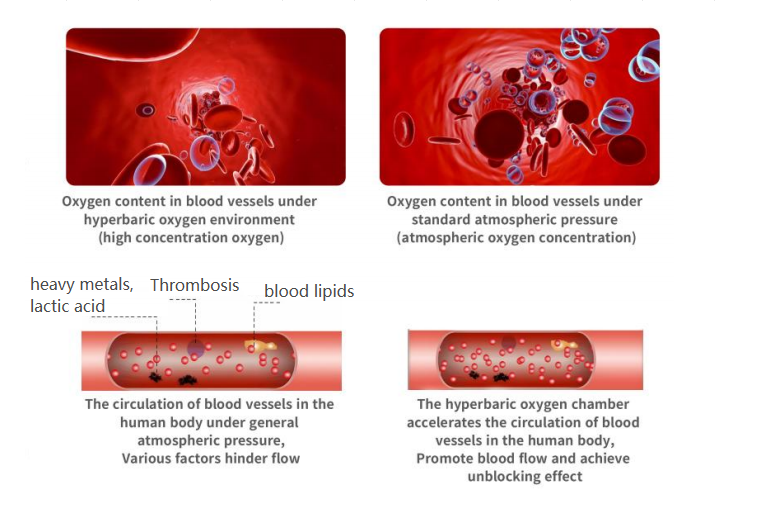
The higher the pressure, the more oxygen dissolves into the blood plasma. This allows oxygen to reach areas with limited circulation.
But more pressure also means:
- Shorter sessions
- Higher cost
- Increased need for supervision
Choosing the wrong one can mean wasted sessions. That’s why the right level depends on purpose.
3 Common Mistakes When Choosing Hyperbaric Pressure
1. “I Tried HBOT, But Nothing Changed.”
Still tired. Still poor sleep. No noticeable improvement.
Cause: Using very low pressure — often around 1.2 ATA hyperbaric chamber settings — which may be too mild for deeper oxygenation.
Case example:
A tech entrepreneur who frequently worked late nights tried sessions at 1.2 ATA for a month. No improvement in fatigue. After switching to a 1.8 ATA hyperbaric oxygen chamber, he reported better sleep within a week and improved daytime focus.
It wasn’t that hyperbaric oxygen therapy didn’t work — the pressure simply wasn’t sufficient.
2. Ear Pain and Anxiety in the Chamber
Ear pressure, discomfort, chest tightness, fear.
Cause: Starting at too high an ATA without gradual adaptation.
Case example:
A 56-year-old woman began at 1.6 ATA during her first session. She experienced ear pain and stopped. Later, she restarted at 1.3 ATA and gradually increased pressure. Within weeks, she tolerated 1.5 ATA comfortably and noticed better sleep and reduced joint discomfort.
For beginners, seniors, or pressure-sensitive individuals, starting lower is essential. Comfort leads to consistency — and consistency brings results.
3. Unsure Whether to Choose 1.5 or 1.8 ATA
Want recovery benefits but unsure which pressure is appropriate.
Case example:
A fitness enthusiast used a 1.5 ATA hyperbaric oxygen chamber after workouts. Muscle soreness decreased faster than before. After adapting, he occasionally increased to 1.8 ATA for deeper recovery sessions.
For tissue repair and athletic recovery, 1.6–2.0 ATA is often considered an effective therapeutic range. But adaptation should be gradual.
Why 1.5 ATA Hyperbaric Chamber Became the Most Popular Choice for Home Use
If you look at home hyperbaric chambers, private wellness setups, and even athletic recovery routines, you’ll notice one pressure level appears again and again: 1.5 ATA.
There’s a reason for that.
1.5 ATA hyperbaric chamber sits in what many consider the “sweet spot.” It avoids the problem of lower pressures that may feel too mild, and it avoids the discomfort some people experience at higher pressures. It strikes a balance between comfort and effectiveness.
At 1.5 ATA, arterial oxygen levels can increase significantly compared to breathing normal air. That increase is enough to support tissue repair, reduce inflammation, and improve mental clarity — without putting excessive stress on the body.
For home users, that balance matters.
Imagine coming home after a long day of sitting and working late. Spending 20 to 30 minutes inside a 1.5 ATA hyperbaric chamber can help reduce fatigue, improve mental focus, and support deeper sleep. Many people notice they rely less on caffeine and feel more stable energy throughout the day.
For busy parents, short sessions during a child’s nap can help counteract chronic exhaustion and inflammation buildup.
For middle-aged or older adults, daily sessions provide gentle oxygen support that may improve sleep quality, reduce dizziness, and support overall cardiovascular and brain health.
Athletes and fitness enthusiasts also gravitate toward 1.5 ATA. After intense training, muscles consume large amounts of oxygen and produce metabolic waste. A 30-minute session at 1.5 ATA can reduce soreness, accelerate metabolic recovery, and support glycogen replenishment — helping maintain performance the next day.
Another major advantage? Comfort. Most people tolerate 1.5 ATA extremely well. The pressure remains within a range that the body adapts to easily, so ear discomfort and chest tightness are uncommon. It feels less like “medical treatment” and more like a controlled oxygen wellness session.
Because it’s comfortable, people are more likely to use it consistently — and consistency is what produces real results.
1.5 ATA HBOT Chamber
view chambersThe Science at 1.5 ATA Hyperbaric chamber
The effectiveness of 1.5 ATA is supported by sufficient clinical evidence, especially in brain health, nerve repair, and sports recovery, with clear research data:
Frontiers in Neurology: A systematic review and dosage analysis found that 40 sessions of hyperbaric oxygen therapy at 1.5 ATA hyperbaric chamber significantly improved symptoms and cognitive function in patients with mild traumatic brain injury and persistent postconcussion syndrome, meeting Level 1 criteria of Evidence-Based Medicine.
2024 Latest Review (Journal of Neurotrauma): Hyperbaric oxygen therapy at 1.5 ATA can restore mitochondrial function, increase brain ATP and NAD+ levels, and reduce hippocampal neuronal loss — key mechanisms for cognitive recovery and neuroprotection.
2024 Systematic Review (Journal of Trauma & Acute Care Surgery): For post-traumatic stress disorder (PTSD) and post-traumatic related diseases, multiple randomized controlled trials have shown that hyperbaric oxygen therapy at 1.5 ATA significantly improves symptom severity and quality of life.
Undersea and Hyperbaric Medical Society (UHMS): Recognizes that 1.5 ATA has produced positive results in randomized controlled trials for traumatic brain injury, and it is currently in the investigational stage pending further research.
Sports Recovery Research (Journal of Sports Medicine and Physical Fitness): 1.5 ATA can reduce exercise-induced inflammation and muscle soreness, accelerate metabolic recovery and glycogen synthesis, improve sleep quality during intensive training, and assist in the repair of tendon, ligament, and joint injuries.
Chinese Journal of Hyperbaric Medicine (2022): Intervention with 1.4–1.5 ATA for 4 weeks can significantly relieve chronic fatigue, improve sleep, and have no adverse reactions;
Chinese Journal of Gerontology (2023): 1.5 ATA can relieve neck and shoulder stiffness and vertigo, and improve sleep and memory in the elderly;
When 1.6–2.0 ATA Hyperbaric Chamber Becomes the Better Choice
While 1.5 ATA is ideal for home and daily wellness use, commercial environments often require something stronger.
That’s where 1.6–2.0 ATA comes in.
This range is typically chosen by sports rehabilitation centers, high-end wellness clubs, hospitals, and recovery facilities because it delivers deeper oxygen penetration and faster visible results.
At these pressure levels, oxygen dissolves into plasma at a much higher rate, allowing it to reach deeper tissues. This makes it especially effective for:
- Post-surgical recovery
- Chronic wounds
- Severe muscle fatigue
- Professional athletic rehabilitation
- Intensive anti-aging programs
For commercial operators, speed of results matters. Clients want to feel improvement quickly. At 1.8 or 2.0 ATA, many facilities report that customers experience noticeable reductions in muscle soreness and fatigue after just one session. Faster visible benefits often translate into stronger word-of-mouth and higher repeat bookings.
In medical and rehabilitation settings, this pressure range is commonly used to support wound healing and tissue repair. Higher tissue oxygen levels stimulate fibroblast activity, collagen production, and improved microcirculation — key factors in recovery.
Luxury wellness centers also use 1.8–2.0 ATA to position their services as “clinical-grade recovery,” differentiating themselves from traditional spa offerings. Because the results feel more dramatic, these facilities can justify higher pricing and create premium service tiers.
In short, 1.6–2.0 ATA is less about gentle daily support and more about targeted, high-efficiency intervention.
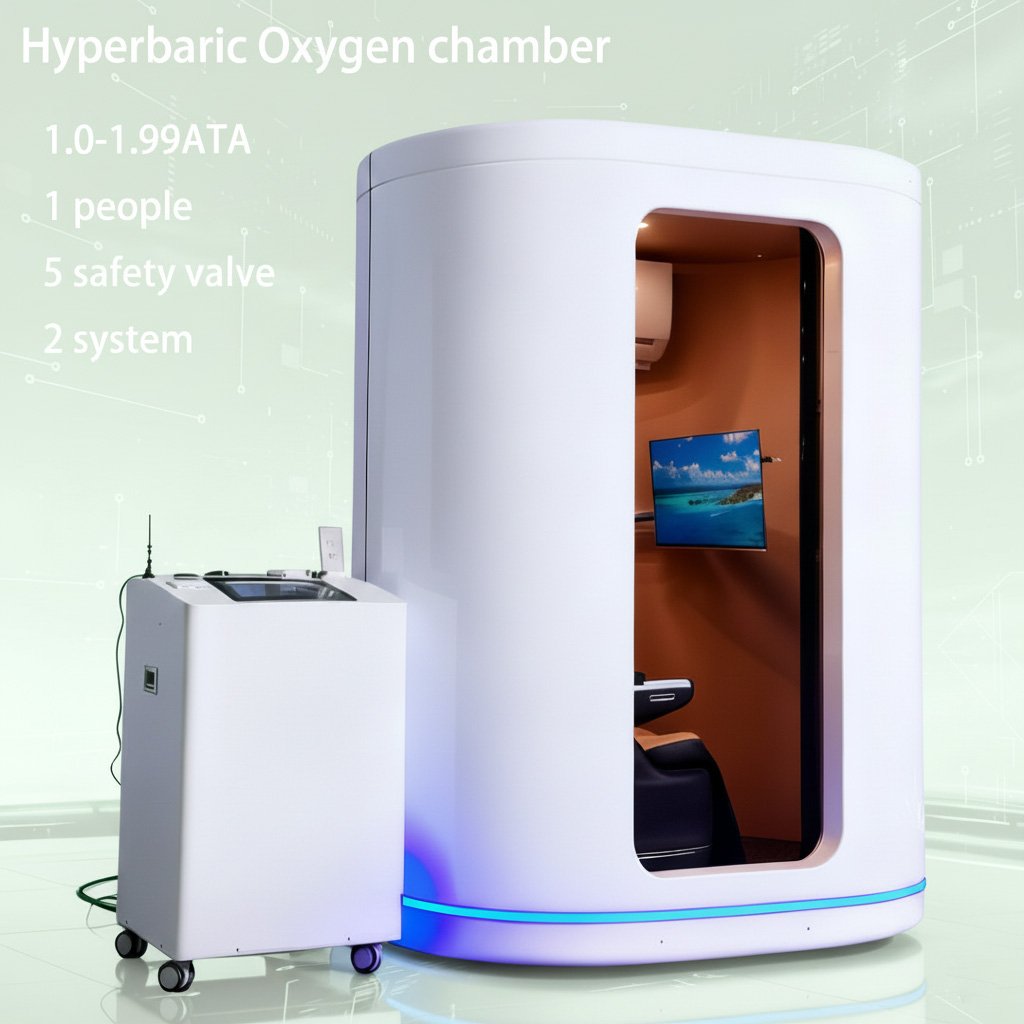
The Science at 2.0 ATA Hyperbaric chamber
1.6–2.0 ATA is the core treatment level of commercial hyperbaric oxygen chambers. Its deep repair effect has been verified by a large number of clinical trials. The following are authoritative papers and links, which institutions can use for customer popularization and improving professional credibility:
- Aging Journal (2024): The study selected 35 healthy adults over 64 years old to receive 90 minutes of 2.0 ATA hyperbaric oxygen therapy 5 days a week. After 3 months, it significantly eliminated senescent cells and increased telomere length, providing core support for commercial anti-aging services.
- Chinese Journal of Nautical Medicine and Hyperbaric Medicine (2022): Intervention with 1.8 ATA hyperbaric oxygen can significantly reduce post-exercise muscle soreness scores, promote the decrease of creatine kinase, and shorten muscle recovery time by 20%-30%, suitable for commercial use in sports rehabilitation institutions.
- International Hyperbaric Medical Association (IHMA) Guidelines: Clearly states that 1.6–2.0 ATA is the optimal level for deep repair and postoperative rehabilitation, which can improve oxygen tissue permeability, accelerate wound healing, and is suitable for hospital rehabilitation departments and high-end wellness clubs.
- Chinese Journal of Rehabilitation (2024): Under 1.6 ATA and 2.0 ATA pressure, the trend of transcutaneous oxygen partial pressure is consistent when inhaling 100% oxygen. The additional pressure of 1.6 ATA is reduced by 40%, and the oxygen inhalation effect is only reduced by 15.41%, providing data support for commercial pressure selection.
- Clinical Study of Haikou People’s Hospital: 2.0 ATA hyperbaric oxygen therapy can effectively increase the tissue oxygen partial pressure in the wound area, stimulate fibroblast proliferation, reduce the risk of infection, and shorten the healing time of refractory wounds, suitable for hospital rehabilitation departments and trauma repair institutions.
- Diving and Hyperbaric Medicine Technical Report: The new hyperbaric oxygen ventilator (Shangrila 590) can provide stable ventilation support in the range of 1.0–2.0 ATA, adapting to the mass operation needs of commercial chambers.
So Which One Should You Choose?
The answer depends entirely on your purpose.
If you’re looking for a hyperbaric chamber for home use, family wellness, cognitive support, sleep improvement, or regular athletic recovery, 1.5 ATA is often the ideal balance. It’s effective, comfortable, and sustainable for long-term use.
If you’re running a commercial facility and want to provide fast, deep repair services — whether for athletes, post-operative clients, or high-end wellness customers — 1.6–2.0 ATA offers stronger therapeutic intensity and greater differentiation in the marketplace.
It’s not about choosing the highest number.
It’s about choosing the right intensity for your goal.
Hyperbaric oxygen therapy isn’t simply “more pressure equals better.” The right ATA level is the one that delivers results while remaining safe, sustainable, and aligned with your needs.
If you’re still unsure which pressure range fits your situation — whether for home purchase or commercial operation — feel free to reach out. The right choice upfront prevents wasted investment and ensures you get the full value of hyperbaric oxygen therapy.
