
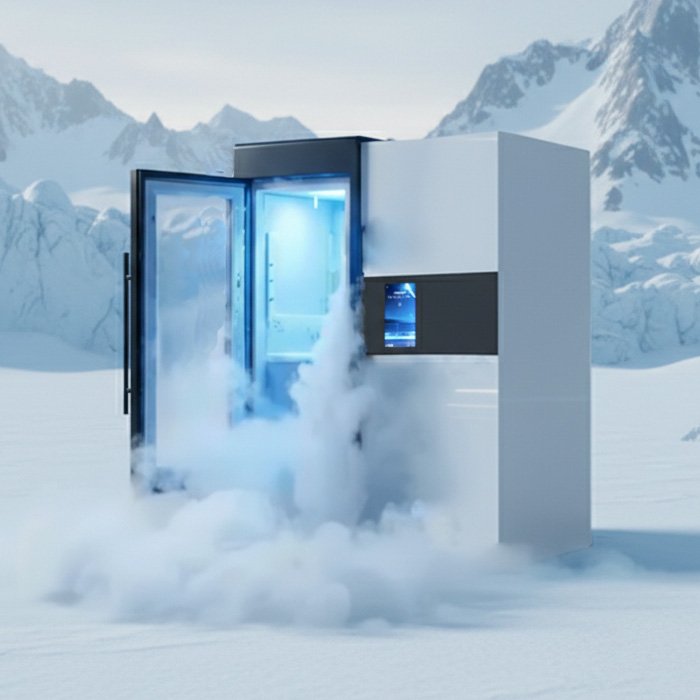

Recently, many people have been asking about cryotherapy chambers. I’m not sure if you’ve heard of this “recovery tool” that can help the body recharge and repair quickly.
After an intense workout, your muscles can be so sore that even lifting your arms or walking down the stairs feels difficult. Even after resting for two or three days, your body may still feel stiff and tight.
Or after staying up late working overtime, or during seasonal changes, your skin may become swollen and dull, with enlarged pores that make makeup look uneven.
And if you sit or stand for long periods, shoulder and lower-back pain often returns again and again, leaving your whole body feeling heavy and drained—as if something is weighing you down.
I’ve tried many methods before: heat therapy, massage, soothing ointments, and even just waiting for my body to recover on its own. But either the results were too slow, or the process was too inconvenient to keep doing regularly.
That was until I discovered cryotherapy, especially after experiencing a cryotherapy chamber. I realized that helping the body recover and release stress could actually be simple and efficient.
It’s not a complicated cosmetic treatment, and it’s definitely not just for professional athletes. Ordinary people can benefit from it too.
Today, I’ll walk you through everything you need to know about cryotherapy—from what it is, to the different types, and the important precautions. Even beginners will be able to understand it easily.
Before we start, here’s a common misconception:
When many people hear the word “cold therapy,” they immediately think of ice packs or ice compresses. But in reality, the difference is huge.
Cryotherapy is a more advanced, scientific, and efficient form of recovery, and it actually includes several different types. Each one has its own characteristics and uses. Let’s go through them step by step.
1. What Is Cryotherapy?
Cryotherapy (Cold Therapy) is a treatment method that uses extremely low temperatures to stimulate the body. It is widely used to relieve pain, support recovery, boost metabolism, and improve overall wellness.
Different types of cryotherapy serve different purposes and scenarios.
In general, cryotherapy can be divided into three main categories, with further sub-types depending on the application.
(1) Whole Body Cryotherapy (WBC)
Whole Body Cryotherapy means exposing the entire body to extremely cold temperatures for a short period of time.
Typically, sessions last 2–4 minutes (most real experiences are around 3–5 minutes), with temperatures ranging from -110°C to -180°C.
It is currently one of the most popular forms of cryotherapy.
How Whole Body Cryotherapy Works
The basic mechanism is actually quite simple:
Blood vessels constrict → inflammation decreases → neurotransmitters are regulated → the body begins a full recovery process.
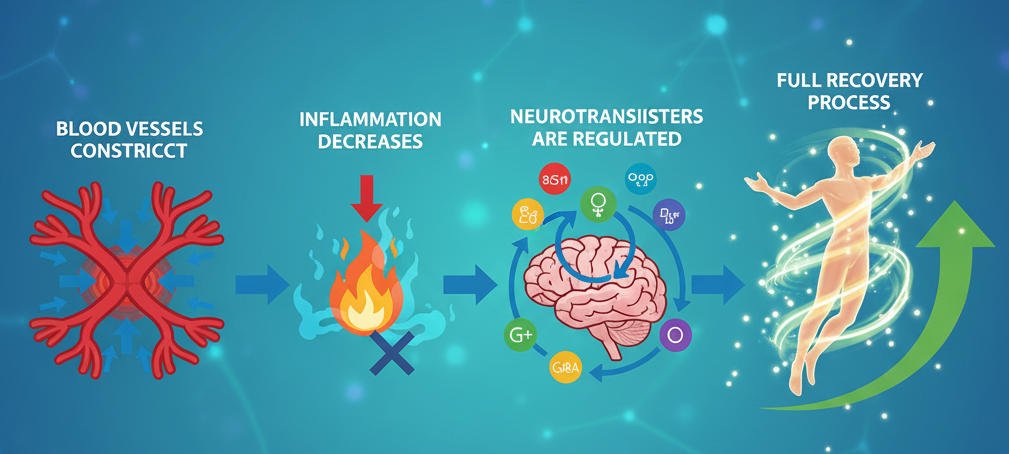
When the body is exposed to extreme cold, blood vessels temporarily narrow. After the session ends, they expand again, improving circulation and delivering oxygen and nutrients to tissues.
Benefits of Whole Body Cryotherapy
Whole body cryotherapy may help with:
- Reducing inflammation throughout the body
- Relieving fatigue and muscle soreness
- Improving sleep quality
- Supporting immune function
- Accelerating recovery after intense exercise
Personally, every time I finish a session, I can clearly feel my body become lighter and more relaxed, and the sense of fatigue decreases significantly.
Disadvantages / Precautions
For first-time users, the cold sensation can feel intense.
That’s why it’s important to wear protective gear, including:
- Gloves
- Socks
- Ear protection
These help prevent frostbite in sensitive areas.
Another important rule:
Sessions should never exceed 3–5 minutes, otherwise the body may experience unnecessary stress.
Types of Whole Body Cryotherapy Chamber
Many people don’t realize that cryotherapy chambers themselves come in different designs, and the experience can vary slightly.
1. Open Cryotherapy Chamber (Cryosauna)
In this type, your body stays inside the chamber while your head remains outside.
Advantages
- More comfortable experience
- Higher perceived safety
- Easier for beginners to adapt
Disadvantages
- Temperature distribution may not be perfectly uniform
- The therapeutic effect can be slightly weaker than fully enclosed systems
2. Closed Cryotherapy Chamber (Cryochamber)
In this system, the entire body—including the head—enters the chamber, or sometimes a semi-enclosed space.
Advantages
- More even temperature distribution
- Stronger therapeutic effect
- More comprehensive whole-body stimulation
Disadvantages
First-time users may feel:
- stronger cold sensation
- slight breathing discomfort
- psychological tension in a closed environment
Because of this, professional supervision is usually recommended during the first session to help guide the experience and ensure comfort.
Electric Cryotherapy vs Liquid Nitrogen Cryotherapy
Another important difference in cryotherapy systems is how the cold temperature is generated.
1. Electric Cryotherapy
Electric cryotherapy chambers use advanced refrigeration systems to cool the air.
Advantages
- Precise temperature control
- Higher safety level
- Suitable for continuous treatments
This is often preferred for wellness centers and rehabilitation facilities.
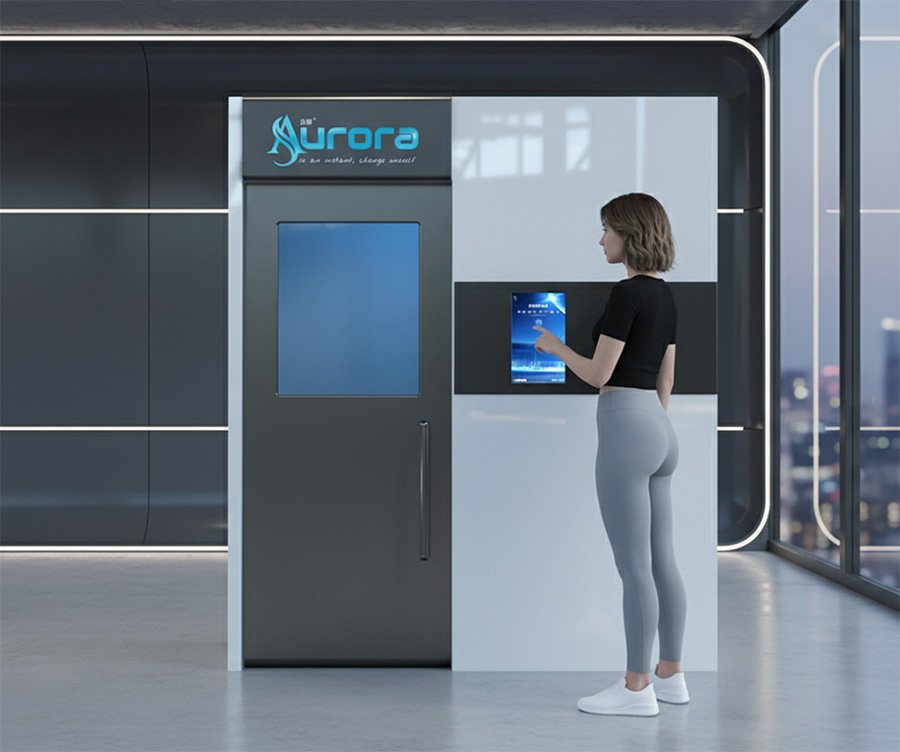
Electric Cryo Chamber
Learn more2. Liquid Nitrogen Cryotherapy
Liquid nitrogen systems generate extremely low temperatures by releasing evaporated nitrogen gas.
Advantages
- Extremely fast cooling
- Lower equipment cost
Disadvantages
- Temperature control may be less precise
- Requires professional operation and supervision
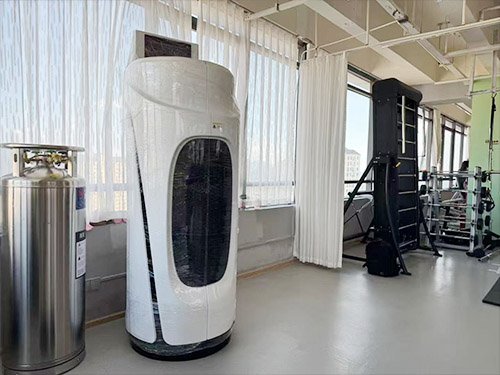
Nitrogen Cryo Chamber
Learn More(2) Localized Cryotherapy
Localized cryotherapy works differently from whole body therapy.
Instead of cooling the entire body, it focuses on specific areas, such as:
- shoulders
- knees
- lower back
- hands or joints
Temperatures are usually around -50°C or lower, and the cooling effect is concentrated only on the treatment area.
Benefits of Localized Cryotherapy
Localized cryotherapy is particularly effective for:
- Reducing inflammation in specific areas
- Relieving joint pain
- Treating sports injuries such as knee strain or shoulder fatigue
It’s a targeted treatment—you treat exactly where the discomfort occurs.
Limitations
Because it only affects a small area, localized cryotherapy:
- cannot relieve overall body fatigue
- cannot improve whole-body circulation or immunity
So it is best used for specific injury recovery, rather than general wellness.
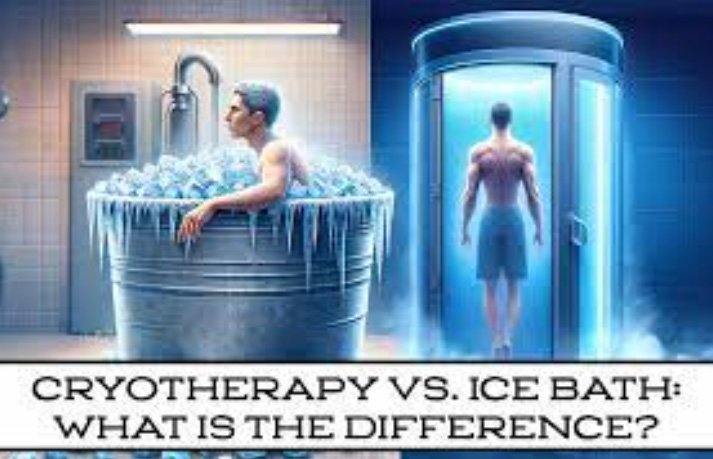
(3) Ice Bath (Cold Water Immersion)
Another common form of cold therapy is the ice bath, which many athletes use at home.
The method is simple:
You immerse your body in water around 10°C for 5–10 minutes.
How Ice Baths Work
The mechanism is similar to other cold therapies:
Cold water causes blood vessels to constrict, which helps:
- reduce muscle soreness
- decrease inflammation after exercise
Because the entire body is submerged, the effect is broader than local ice packs.
Advantages and Disadvantages
Advantages
- Very low cost
- Easy to do at home
- No special equipment required
Disadvantages
- The cold sensation is extremely intense
- Can put stress on the cardiovascular system
- Not suitable for people with high blood pressure or heart conditions
Even healthy people should control the duration carefully, as staying too long may increase the risk of catching a cold.
A Simple Way to Understand the Difference
Here’s an easy comparison:
- Ice packs = basic local cooling for pain relief
- Ice baths = a simple version of whole-body cold therapy
- Professional cryotherapy chambers = an advanced recovery system designed for full-body repair
Each option serves a different purpose, and you can choose based on your needs.
How Cryotherapy Works
Many people ask the same question the first time they hear about cryotherapy:
“Exposing the body to such low temperatures—can that really be safe?”
In reality, cryotherapy is widely used in sports medicine, rehabilitation, and wellness therapy because the human body has a natural protective response to cold exposure.
In simple terms, cryotherapy works through three key physiological steps that help activate the body’s recovery process.
Step 1: Vasoconstriction (Reducing Inflammation)
When the body is exposed to extremely low temperatures, the blood vessels in the skin and superficial tissues rapidly contract. This is a natural protective response that helps conserve body heat and protect vital organs.
Scientific research shows that when skin temperature drops significantly, local blood flow can decrease by approximately 30%–60%.
With reduced blood flow, the activity of inflammatory substances in the affected area also decreases. This helps reduce swelling, redness, and pain.
This is also the same reason why doctors often recommend applying ice immediately after an injury.
Research source:
https://pubmed.ncbi.nlm.nih.gov/34736843/
Step 2: Anti-Inflammatory and Pain Relief Effects
In addition to reducing blood flow, cold exposure also influences the body’s inflammatory response.
Several studies have shown that cryotherapy can reduce the levels of key inflammatory markers such as:
- IL-6
- TNF-α
- IL-1β
A randomized controlled trial analysis found that cryotherapy can significantly lower these inflammatory markers while increasing the anti-inflammatory cytokine IL-10.
In some sports recovery studies, repeated cryotherapy sessions have been shown to reduce inflammatory markers by approximately 30%–40%.
Research source:
https://pubmed.ncbi.nlm.nih.gov/40044835/
Because of these effects, cryotherapy is often used for:
- Sports injury recovery
- Chronic pain management
- Joint inflammation and arthritis support
Step 3: Increased Blood Circulation After Treatment
Once the cryotherapy session ends and the body returns to a normal temperature environment, the previously constricted blood vessels rapidly expand.
This process is known as reactive hyperemia.
Fresh blood flows back into the tissues, delivering:
- More oxygen
- More nutrients
- Faster removal of metabolic waste
It is almost like giving the body’s cells a rapid circulation reset.
Some sports recovery studies suggest this circulation response can help:
- Reduce muscle soreness by about 20%–30%
- Shorten recovery time by 24–48 hours
Research source:
https://www.nature.com/articles/s41598-025-90396-3
Summary
The core mechanism of cryotherapy is actually quite simple:
Cold exposure → blood vessel constriction → reduced inflammation → increased circulation after treatment
This cycle allows cryotherapy to help the body:
- Reduce inflammation
- Relieve pain
- Accelerate muscle recovery
- Improve overall physical vitality
Different types of cryotherapy—such as whole body cryotherapy, localized cryotherapy, and ice baths—mainly differ in their treatment range and intensity, but the fundamental principle remains the same.
Will Cryotherapy Feel Uncomfortable?
When people first hear about cryotherapy—especially temperatures as low as −110°C to −200°C—their first reaction is usually:
“That sounds extremely cold. Won’t it feel unbearable?”
“Could I catch a cold after the session?”
These were exactly the same concerns many people have before trying cryotherapy for the first time. In reality, the experience is usually much easier and more comfortable than most people expect.
In most cases, no. The experience is surprisingly manageable and often even refreshing.
Cryotherapy sessions are intentionally very short. Whole body cryotherapy typically lasts only 2–4 minutes, and many wellness centers operate sessions of about 3–5 minutes. Localized cryotherapy treatments are usually even shorter.
During the session, participants wear protective gear, including gloves, socks, and ear protection, which helps protect areas that are more sensitive to cold. Most of the body is exposed to the cold air, but the extremities are safely insulated.
At the beginning of the session, you may feel a quick cool sensation on the skin, similar to stepping outside on a very cold winter day. However, it rarely feels painfully cold. Instead, the body quickly activates its natural protective response and begins to adapt.
Many people actually report feeling energized, light, and refreshed immediately after the session.
For first-time users of a closed cryotherapy chamber, there may be a brief sensation of slightly colder air when breathing. This is normal and usually disappears quickly once you relax and breathe naturally.
Why Doesn’t −110°C Cause Frostbite?
Seeing temperatures like −110°C or lower can sound alarming, but cryotherapy treatments are designed to be safe.
There are three main reasons why the body can tolerate these temperatures.
1. The exposure time is extremely short
A typical cryotherapy session lasts only 2–3 minutes, which is far too short for tissues to freeze.
2. Cold air is very different from cold water
Cryotherapy chambers use dry cold air, not ice water.
Air transfers heat much more slowly than water, which means the body loses heat at a slower rate.
For example:
- Staying in 0°C ice water for several minutes can feel extremely painful.
- Standing in −100°C dry air for 2 minutes is often manageable for most people.
This difference in heat transfer is one of the main reasons cryotherapy can safely use extremely low temperatures.
3. The body has natural protective mechanisms
When exposed to extreme cold, the body automatically redirects blood flow toward vital organs such as the heart and brain.
At the same time, blood vessels near the skin temporarily constrict to conserve heat and protect the body’s core temperature.
Because of these natural responses, cryotherapy has been widely used in sports recovery, rehabilitation, and wellness treatments in many countries.
Can Cryotherapy Cause a Cold?
Under normal conditions, cryotherapy does not cause colds.
Many people believe that “getting cold” leads to catching a cold, but medically speaking, the common cold is caused by viruses, not by low temperature alone.
Cryotherapy chambers are typically clean, controlled environments that are regularly disinfected. The cold exposure itself lasts only a few minutes and is designed to stimulate the body’s physiological responses rather than weaken it.
In fact, short-term cold exposure can sometimes help stimulate circulation and immune response.
To stay comfortable after a session, it is simply recommended to:
- Keep warm after treatment
- Avoid strong cold wind immediately after
- Avoid drinking ice-cold beverages right away
Following these simple precautions is usually enough to prevent any discomfort.
When Should You Avoid Cryotherapy?
Although cryotherapy is generally safe, some people should postpone treatment.
It is not recommended if you currently have:
- A fever or active infection
- Severe respiratory illness
- Uncontrolled high blood pressure
- Certain cardiovascular conditions
In these situations, it is best to rest and recover first, then try cryotherapy once your health has stabilized.
Cryotherapy Safety Guidelines (Must-Read!)
No matter what type of cryotherapy you try, safety always comes first, especially for first-time users. Follow these precautions carefully to minimize discomfort, prevent frostbite, and avoid unnecessary anxiety:
- First-time users may feel intense cold or slight breathing discomfort
This is normal, especially in environments below -120°C. Stay calm, breathe slowly, and follow the staff’s guidance. - Professional supervision is required
Before starting, staff will explain how to wear protective gear. Make sure to wear gloves, socks, and ear protection properly. Do not skip this step—protecting extremities helps prevent frostbite. - Strictly control time and temperature
- Whole-body cryotherapy should not exceed 3–4 minutes
- Ice baths should not exceed 10 minutes
Adjust temperature according to your body’s tolerance. Avoid chasing lower temperatures or longer durations blindly.
- Staff monitor physiological responses
For first-time users, staff will observe your breathing, heart rate, and skin condition. If you experience dizziness, palpitations, or skin turning purple, immediately inform the staff and stop the session. - Contraindicated groups
Cryotherapy is not recommended for:- Pregnant womenPeople with severe cardiovascular diseases (e.g., hypertension, heart conditions)Individuals with Raynaud’s diseaseAnyone currently sick, running a fever, or with serious respiratory problems
Real Experience Sharing for Suitable Groups
I used to think cryotherapy was exclusive to athletes, but after experiencing it myself, I realized it’s really suitable for ordinary people! Combined with the characteristics of different types of cryotherapy, these groups of people have obvious results after trying it, as tested by me personally:
1. Athletes/Fitness Enthusiasts:
This is the most classic application scenario for cryotherapy. After intense training, muscles produce a lot of lactic acid, leading to soreness, stiffness, and even strains. Whole body cryotherapy can quickly reduce inflammation and relieve fatigue throughout the body; localized cryotherapy can target and repair injured areas; and ice baths are suitable for simple at-home recovery. Every time I finish a leg workout, I do a localized cryotherapy session, and I can walk normally the next day—the soreness is reduced by more than half, the recovery speed is visible to the naked eye, and I no longer have to endure the pain and wait for my muscles to heal on their own.
2. People in Rehabilitation/Relieving Pain:
If you have chronic joint pain, muscle strain, sports injuries, or need to reduce swelling and pain after surgery, localized cryotherapy is the best choice for precise anti-inflammation and pain relief; whole body cryotherapy can assist in enhancing immunity and accelerating overall rehabilitation. A friend of mine has suffered from waist and shoulder strain for many years—after insisting on localized cryotherapy for a month, the soreness was significantly reduced, and he no longer needs to apply plasters or get massages frequently.
3. People for Weight Loss/Body Shaping:
Low temperature can stimulate the body to consume calories, promote metabolism, and improve edema and local bloating. Whole body cryotherapy (electric cooling is more suitable for long-term adherence) combined with exercise will have a more obvious weight loss effect; localized cryotherapy can target and improve bloating in the waist, abdomen, and legs. Every time I stay up late, my face swells like a “steamed bun”—after a facial localized cryotherapy session, the swelling subsides in about 10 minutes, and my face looks much tighter.
4. People for Beauty and Skin Care:
Cryotherapy can shrink pores, brighten skin tone, and relieve skin sensitivity and redness. Facial localized cryotherapy is highly targeted—doing it once a week can stabilize the skin condition significantly. I have combination oily and sensitive skin, and I am prone to redness and acne during seasonal changes. After adhering to it for a period of time, my pores have become finer, and my makeup applies more smoothly.
5. People for Daily Health Maintenance/High Stress:
Staying up late, working overtime, and high stress can easily lead to physical fatigue, slow metabolism, and even chronic inflammation. Whole body cryotherapy (open cryosauna is more comfortable) can quickly relieve fatigue, improve sleep quality, and enhance immunity. I do it once a week—afterwards, I feel that all the fatigue of my body has been “frozen away”, and I wake up full of energy the next day, no longer feeling heavy all the time.
