

1. Real Buyers’ Complaints: Chaotic Price Range & No Standard Purchasing Reference
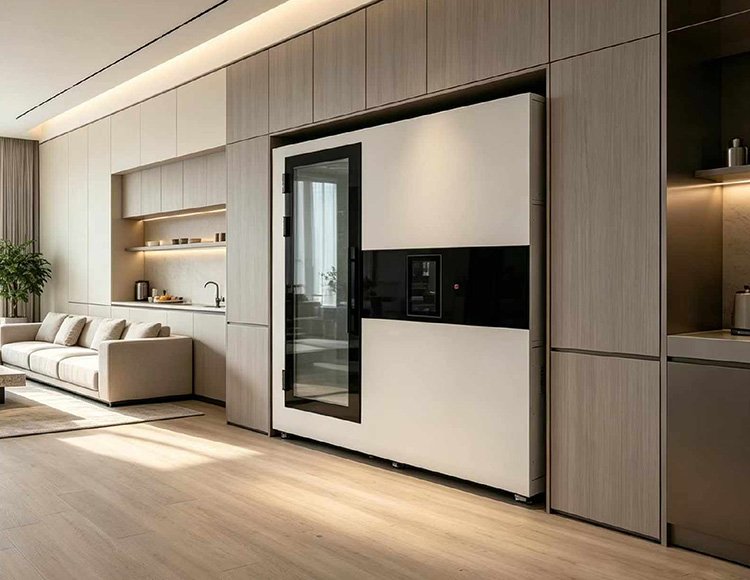
Many gyms, SPA wellness centers, rehabilitation clinics, and high-end private users across Europe and the US face the same purchasing dilemma. The industry pricing system is extremely chaotic, with electric cryotherapy chamber prices ranging from tens of thousands to hundreds of thousands of US dollars. Entry-level models, mid-tier commercial units, and medical-grade premium devices have massive price gaps, making it impossible for ordinary buyers to understand the actual value and pricing logic.
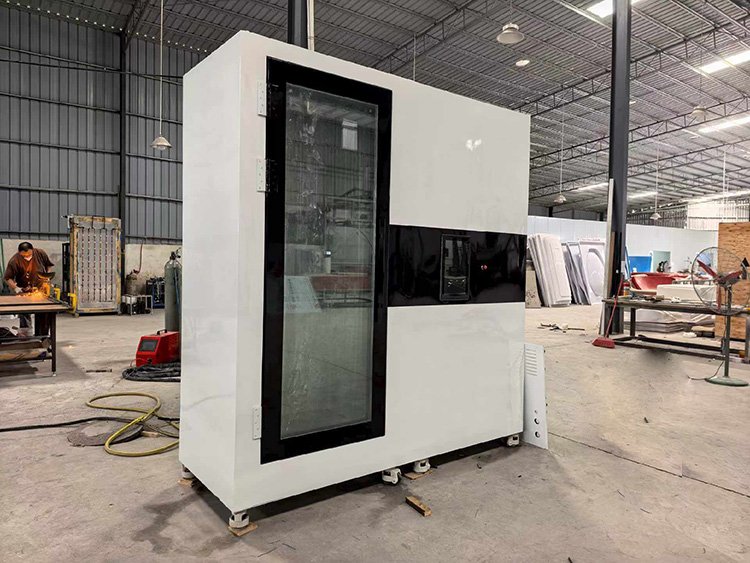
Nearly all brands use identical overhyped marketing slogans: -60°C ultra-low temperature cooling, fully silent operation, plug-and-play installation, and ultra-low energy consumption. With no authoritative purchasing standard for cryogenic healing chamber and whole body cryo chamber recovery deutsch devices overseas, buyers struggle to verify true parameters and are easily misled by low-cost knockoffs and false premium claims.
Most overseas procurement failures follow the same pattern: buyers seemingly get a bargain on low-priced professional electric cryotherapy machine units, only to encounter substandard cooling performance, sky-high utility costs, loud operating noise, and endless hidden installation fees after delivery. The subsequent renovation and correction costs far exceed the equipment price difference, leaving buyers trapped in a “affordable to buy, expensive to operate, impossible to return” situation.
Almost all cryo chamber failures stem from four hidden industry pitfalls: falsified low-temperature parameters, misleading energy consumption data, predatory installation charges, and on-site adaptation errors. Tailored for European and American usage scenarios, installation standards, and market rules, this guide breaks down practical testing and selection tips for both residential and commercial buyers of full body cold chambers for athletes and professional wellness facilities.
2. Cooling Performance Pitfalls: Distinguish Genuine Ultra-Low Temperature From Fake Specs
Cooling capacity is the core value of any electric cryotherapy chamber and the most commonly falsified specification in the industry. Many brands arbitrarily label -40°C, -60°C, or even -110°C extreme low temperatures on display panels, while the actual performance fails to meet professional cryotherapy standards. For Western users pursuing sports recovery, physical rehabilitation, and body contouring, a falsely rated low-temperature device is completely ineffective.
2.1. Typical Features of Fake Low-Temperature Chambers
Counterfeit devices allow arbitrary modification of temperature display data but deliver extremely poor actual cooling efficiency. Many merchants advertise “instant ultra-fast cooling, reaching -130°C in seconds”, which is completely false marketing.
Restricted by the physical principles of compressor refrigeration, a genuine electric cryotherapy chamber requires 2 to 3 hours of continuous operation to stably reach a uniform -130°C full-chamber constant temperature — instant deep cooling is physically impossible.
Another widely overlooked fake selling point is “rapid room-temperature recovery within 1 or 5 minutes after treatment”, which violates basic thermodynamic laws.
After full-load ultra-low temperature operation, the inner cavity, liner, and refrigeration pipelines of a standard cryo chamber are completely frozen and store massive cold energy. It takes approximately 20 minutes to naturally return to room temperature. This is an unbreakable physical rule. To put it simply: a fully frozen freezer or icy lake cannot thaw within minutes. Any device that claims ultra-fast temperature recovery simply never actually reaches -130°C and only simulates cold wind effects with fake parameters. Counterfeit units only produce weak, scattered airflow without the sharp, firm cold sensation required for professional cryotherapy. Moreover, air-cooled cryo chambers are highly susceptible to ambient temperature changes, leading to unstable temperatures and constant fluctuations that ruin constant-temperature operation.
In terms of core configuration, fake low-temperature chambers adopt low-grade ordinary compressors without professional low-temperature refrigeration circulation systems. They only produce basic cooling wind rather than genuine professional cryotherapy, failing to meet European and American commercial physical therapy and athletic recovery standards.
2.2. Two Hardcore Methods to Verify Genuine Professional Cryotherapy Chambers
2.2.1 Observe Cold Air Texture (Most Intuitive Visual Inspection)
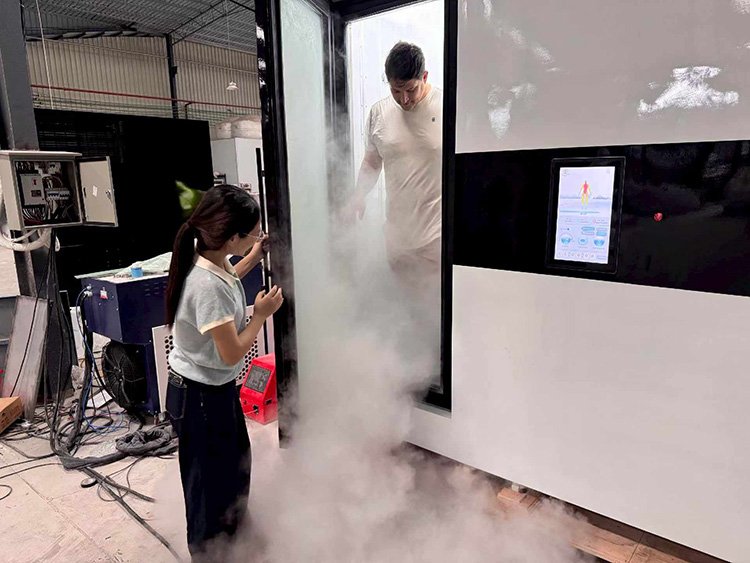
A truly qualified -130°C professional electric cryotherapy chamber stores sufficient deep cold energy after stable operation. Thick, dense white cold fog fills the entire chamber and sinks evenly without floating. Stepping inside feels like standing in deep mountain fog — blurred vision and strong penetrating cold that tightens the skin, a unique physical feature of genuine ultra-low-temperature refrigeration.
In contrast, fake low-end units show almost no dense white fog even with falsified -100°C or -130°C displays. They only produce weak ordinary cool wind with floating, scattered airflow, no sinking pressure, and an experience identical to regular cold air fans or air conditioners — far from professional cryotherapy standards.
2.2.2 Check Rated Power (Most Reliable Parameter Verification)
Most buyers overlook one critical truth: power rating directly determines whether a chamber can reach -130°C. Countless low-cost counterfeit cryo chambers only feature a few kilowatts of power, using the exact same refrigeration core and heat dissipation structure as supermarket beverage coolers and household freezers.
Such low-power units have strict physical limits, only capable of cooling from 0°C to -20°C. They are physically incapable of generating -130°C ultra-low temperatures. No screen modification or marketing hype can change this hardware limitation — these are essentially “refrigerator-converted fake cryo chambers”.
Genuine commercial and medical-grade electric cryotherapy chambers that stably maintain -130°C are equipped with high-power professional refrigeration units. They overcome extreme temperature differences and offset ambient heat to sustain full-chamber constant low temperatures. This unalterable hardware threshold is the core verification standard for professional European and American procurement of full body cold chambers for athletes and clinical rehabilitation devices.
3. Energy Consumption Pitfalls: Air-Cooled VS Water-Cooled Long-Term Operating Cost Comparison
Most overseas buyers only compare upfront equipment prices while ignoring that heat dissipation mode determines long-term electricity, water, and maintenance costs. Electric cryotherapy chambers adopt two mainstream heat dissipation solutions: air cooling and water cooling. The two modes differ drastically in cooling stability, power consumption, failure rates, and maintenance expenses. The long-term cumulative cost gap can even offset tens of thousands of dollars in equipment price differences. This section provides an objective cost comparison to help residential and commercial buyers select based on actual usage frequency and site conditions.
3.1. Power Consumption Comparison: Unstable Air-Cooled Power VS Energy-Saving Stable Water-Cooled Power
Air-Cooled Models: The fatal flaw of air-cooled heat dissipation is that all compressor heat is released directly into the indoor space, heavily affected by ambient temperature and ventilation. During operation, the more the chamber cools, the hotter the room becomes. Since ultra-low-temperature cryotherapy relies on a cool ambient environment, rising indoor temperatures crash heat dissipation efficiency, weaken cooling performance, and create a vicious cycle: indoor overheating → poor heat dissipation → failed temperature reduction → continuous high-load compressor operation.
To offset indoor overheating and maintain normal working conditions, air-cooled cryo chamber sites must install high-power air conditioning, resulting in massive additional long-term electricity bills. Furthermore, the compressor operates under sustained high-temperature overloads with accumulated residual heat, causing severe core loss, accelerated aging, and shorter overall equipment lifespan. Air-cooled units are only suitable for low-frequency use in open, well-ventilated spaces with stable ambient temperatures.
Water-Cooled Models: Water circulation heat dissipation actively transfers heat outward rather than accumulating it indoors. Approximately 70% of unit heat is discharged outdoors via the water circulation system, completely eliminating indoor temperature rise. Even in enclosed private rooms with poor ventilation, indoor temperature remains stable without high-power air conditioning support, drastically reducing auxiliary power consumption.
Additionally, water-cooled systems deliver balanced heat dissipation and stable constant-temperature performance. The compressor avoids continuous overload operation with minimal residual heat, greatly extending service life, lowering failure rates, and maintaining consistent cooling during long high-frequency commercial shifts. After reaching the target low temperature, the unit switches to low-frequency standby mode with stable power output, delivering outstanding long-term energy-saving advantages for professional cryogenic healing chamber operations.
3.2. Water & Supporting Cost Comparison: Zero Water Usage for Air-Cooled, Two Water-Cooled Solutions
Air-Cooled Models: Adopting pure air convection heat dissipation, air-cooled chambers require no water access and consume zero water with no waterway renovation costs. Installation is simple and flexible. However, the trade-off is extremely high power consumption. Coupled with mandatory high-power air conditioning to counter indoor overheating, air-cooled units follow a “zero water cost, sky-high electricity cost, short lifespan” low-entry but high-operation cost model.
Water-Cooled Models: Require water access for heat dissipation, divided into two mainstream solutions with huge differences in upfront investment and long-term return:
Tap Water Direct Drainage Type: Low upfront equipment cost and simple installation, directly connected to tap water with real-time wastewater drainage. The downside is continuous water consumption during operation, generating cumulative long-term water fees.
Cooling Tower Circulation Type: Produces almost no daily wastewater loss and delivers the most stable heat dissipation with the longest compressor lifespan. However, cooling tower equipment requires extremely high upfront investment, including pipeline layout and civil engineering renovation costs. Based on 15-year lifecycle accounting: the one-time upfront cost of a cooling tower equals the total 15-year cumulative water fee of direct drainage water-cooled units. Direct drainage suits short-term and low-frequency operation, while cooling tower systems deliver higher comprehensive cost performance for 10–15 year long-term professional operation.
4. Noise Pitfalls: Reject Silent Marketing Gimmicks, Check Full-Load Operating Decibels
Excessive operating noise severely impacts customer experience for commercial venues and daily comfort for residential use, ranking among the most common post-purchase complaints for whole body cryo chamber recovery deutsch devices.
Genuine qualified cryotherapy chambers maintain a full-load operating noise range of 60–70 decibels, producing smooth, acceptable operational sound without harsh disturbance. In contrast, low-quality units lack professional shock absorption and noise reduction structures. Severe resonance occurs when compressors and fans run at full load, generating loud, rough, ear-piercing roaring noise similar to a working tractor. These counterfeit devices only show low noise in standby mode; once cooling starts, noise levels far exceed the qualified standard. Long-term high-noise operation loosens internal components, accelerates aging, increases failure rates, and ruins venue user experience.
5. Installation Pitfalls: Integrated Plug-and-Play VS Split Professional Installation, Avoid Hidden Fees
Most overseas buyers fail to distinguish the fundamental differences between integrated all-in-one cryo chambers and split-type units, falling victim to unexpected construction and renovation fees after purchase. The two structural designs have completely different installation thresholds and hidden cost risks. This section fully breaks down installation fees, time cycles, and compliance processes to avoid post-delivery traps.
5.1. Installation Cost Core Difference: Zero Fee for Integrated Units, Mandatory Construction Cost for Split Units
Integrated Electric Cryotherapy Chamber: Fully pre-assembled plug-and-play device. All compressors, heat sinks, circuits, and waterway components are factory-installed and fully debugged. After delivery, simply position the unit and connect a dedicated power supply for immediate use. No installation, no pipeline connection, no on-site debugging, and zero hidden fees, ideal for home use, small studios, and users with no intention of site renovation.
Split-Type Cryotherapy Chamber: Belongs to engineering-grade equipment requiring professional on-site installation. The main chamber and external unit are delivered separately, requiring on-site refrigeration pipeline docking, circuit wiring, external unit fixing, vacuum system debugging, and refrigeration cycle testing. Basic installation is usually included in the equipment quote, but massive hidden extra fees commonly apply: bracket installation, pipeline extension, wall drilling, hole sealing, pipeline thermal insulation, high-altitude operation, and drainage renovation. Many low-priced split units end up costing thousands of dollars in additional installation fees. Buyers must request written full installation quotations to clarify standard and extra charging items and eliminate verbal gimmicks.
5.2. Installation Time Difference
Integrated Units: No installation or debugging required. Positioning and power-on test take only 10–20 minutes for immediate operation on the delivery day.
Split Units: Standard professional installation including external unit positioning, pipeline docking, circuit inspection, vacuum pumping, refrigeration calibration, and full-machine commissioning takes 3–4 hours. Longer time is required for site renovation and pipeline extension. Hasty non-standard installation leads to refrigerant leakage, water leakage, cooling attenuation, and tripping faults, while also voiding official overseas warranty service.
5.3. European & American Commercial Property Compliance Process
For residential private use, both integrated and split units require no property approval, usable immediately after meeting circuit and placement requirements.
For commercial scenarios including gyms, rehabilitation clinics, and high-end SPAs, integrated units enjoy simpler compliance and higher property approval rates due to their compact integrated structure. Split units with external large-scale equipment face stricter audits from European and American commercial buildings and high-end apartments. Operators must submit equipment parameter documents, external unit placement plans, electrical safety reports, and compliance certificates for pre-installation review. Skipping approval leads to forced shutdowns, rectification orders, and severe business losses.
Installation Selection Summary: Choose integrated plug-and-play units for zero installation fees, no hidden costs, fast deployment, and hassle-free compliance. Choose split units only if prioritizing high-frequency commercial stability and accepting professional installation investment.
Final Summary
The European and American electric cryotherapy market features extreme price gaps and widespread industry gimmicks. Smart purchasing does not rely on low prices or false parameters but on avoiding all hidden pitfalls. Verify genuine cooling performance, real energy and noise data, transparent installation pricing, and compliant on-site adaptation to select reliable, long-term, cost-effective professional electric cryotherapy machine and full body cold chambers for athletes suitable for Western residential and commercial scenarios.
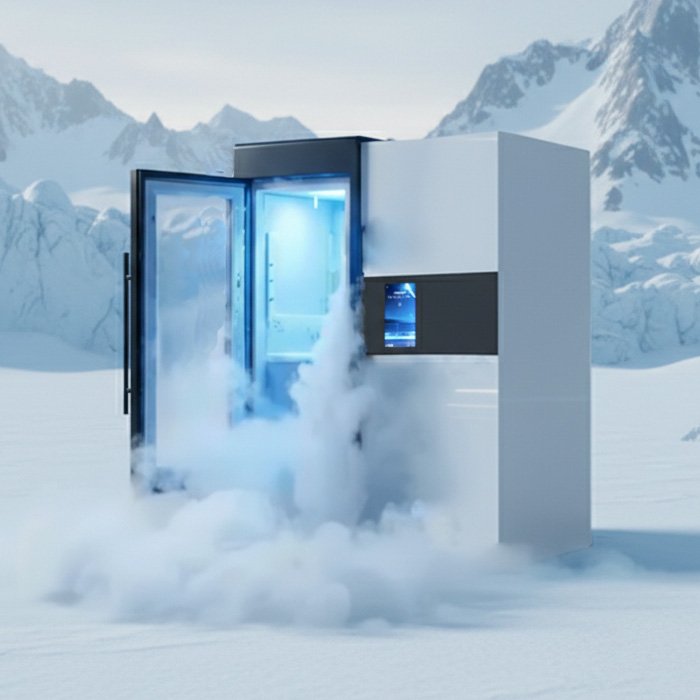
Electric cryo chamber
Learn More