
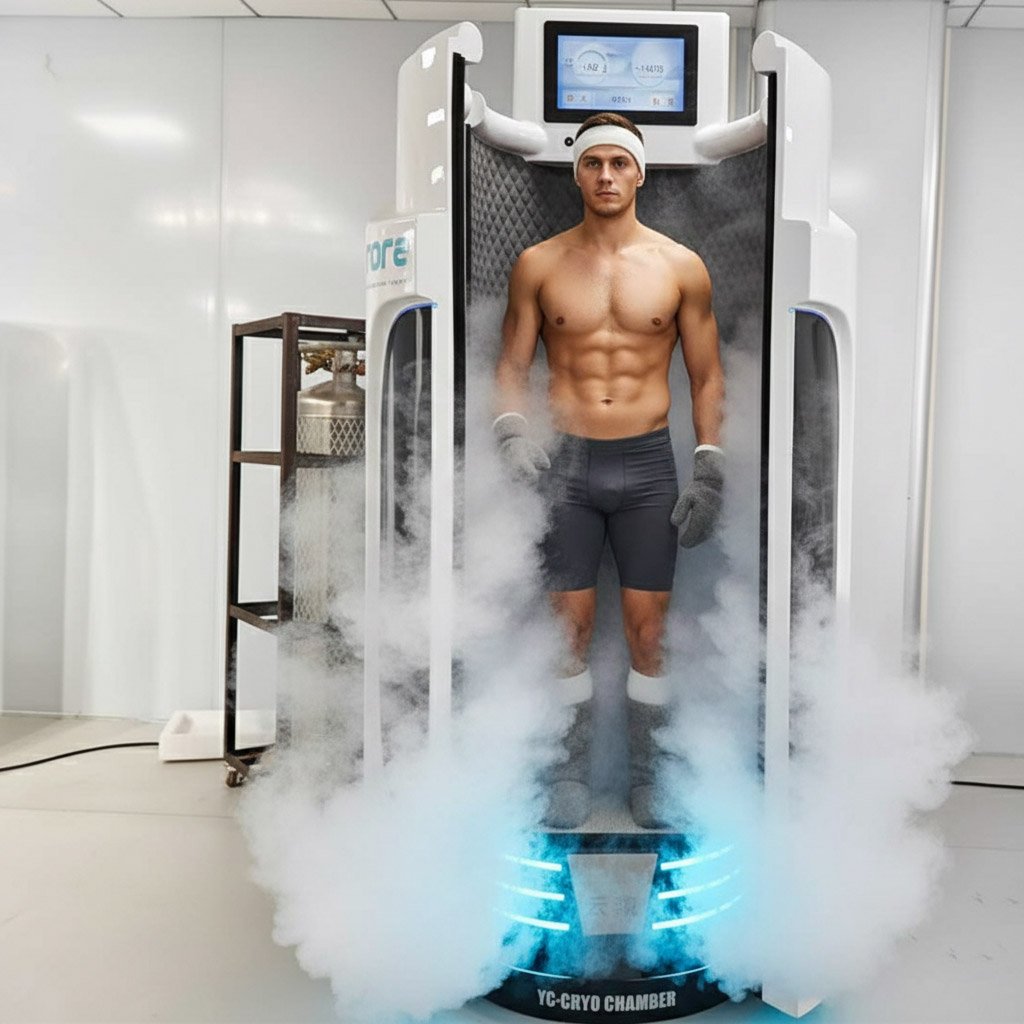

“My Cryotherapy Chamber Has Been Running for Only 3 Months, and the Control System Suddenly Crashed While a Client Was Still Waiting Inside — What Should I Do?”
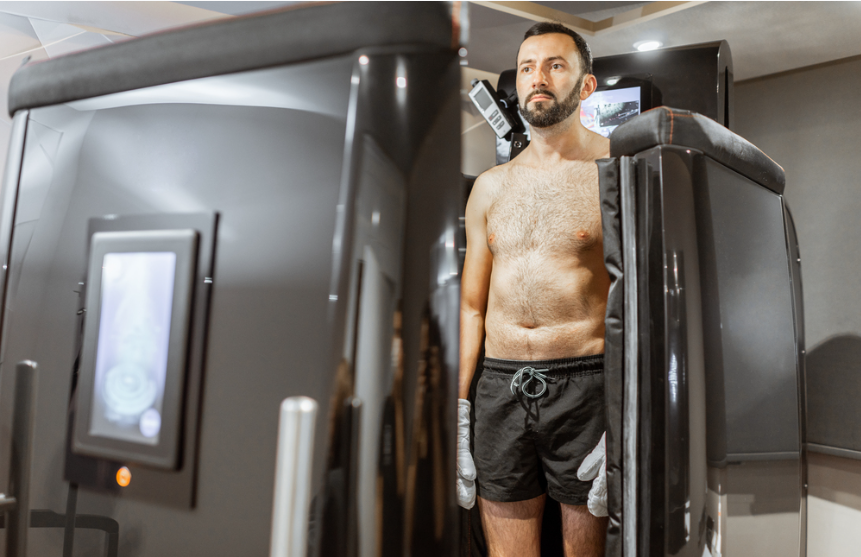
A rehabilitation center in Munich, Germany, mainly focused on postoperative recovery for athletes and chronic pain treatment, considers the cryotherapy equipment to be one of its core pieces of equipment. Every day it receives 8–12 clients, including athletes from local professional football teams. The appointment schedule is so tight that bookings often need to be locked in three days in advance. However, on one afternoon when the equipment had been operating for just three months, a sudden malfunction completely disrupted the entire operational rhythm and pushed the person in charge into a desperate situation.
At 3:00 PM that afternoon, a football player who had just finished training arrived at the center on time according to his appointment. After completing protective preparations, he entered the cryotherapy chamber. The staff set the treatment parameters to -110°C for 3 minutes, and after pressing the start button, the chamber began cooling normally. But after only 1 minute and 20 seconds, when the temperature inside the chamber had just dropped to -86°C, the control system suddenly froze with a black screen: the display showed nothing, the buttons completely stopped responding, the chamber door could not open automatically, and it could not even be unlocked manually. The athlete was trapped inside the ultra-low temperature chamber, his emotions gradually becoming tense. The staff could only repeatedly comfort him through the chamber while frantically restarting the equipment — once, twice, three times — they restarted it six times, yet the system still showed no response.
What made the situation even more difficult was that five more clients were waiting for treatment afterward that day. Reservation calls kept ringing continuously. The staff had to deal with customers’ urging and dissatisfaction while urgently contacting the equipment supplier. However, the reply they received was frustrating:
“The control system was developed by a third-party outsourcing team. We are only responsible for the hardware. Software issues need to be handled by the original development team.”
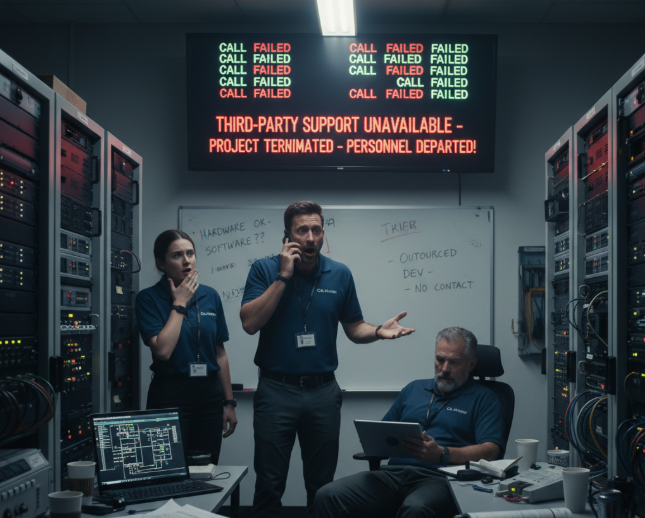
When the staff finally managed to contact the outsourced development team after several attempts, they were told that “the project had already been terminated for maintenance, and the related technicians had already left the company, so no support could be provided.”
In the end, it took the staff more than 40 minutes to safely remove the athlete by dismantling the emergency mechanical device on the side of the chamber. At that moment, the athlete had already begun experiencing mild shivering, and his trust in the center dropped significantly. He cancelled all appointments for the next month on the spot. As for the remaining five clients scheduled that day, some cancelled their reservations, while others went to nearby rehabilitation centers, directly causing nearly €2,000 in immediate losses. Even more serious was that negative word-of-mouth spread quickly among the local athlete community. Within the following week, the number of bookings dropped by 40%.
This Malfunction Is Only a Microcosm of the Many Hidden Dangers of “Assembled System” Cryotherapy Equipment
Looking back on the entire incident, the person in charge was full of regret: In fact, when we purchased a whole body cryotherapy chamber, it was never just to complete our equipment lineup or decorate the facility. The core purpose was long-term stable operation — relying on it to provide clients with effective recovery experiences, retain existing clients, attract new ones, and make cryotherapy services become the core competitiveness of the center, rather than bringing ourselves trouble and frustration, and certainly not spending a large amount of money only to spend even more later on malfunctions, after-sales issues, and customer loss.
However, in order to save on the initial investment, we chose assembled equipment in the form of “hardware procurement + outsourced software.” Although it appeared to reduce the upfront cost, it actually buried countless operational risks. Each of these pain points directly affects the survival of rehabilitation centers, and each one touches the original intentions and concerns we had when making the purchasing decision.
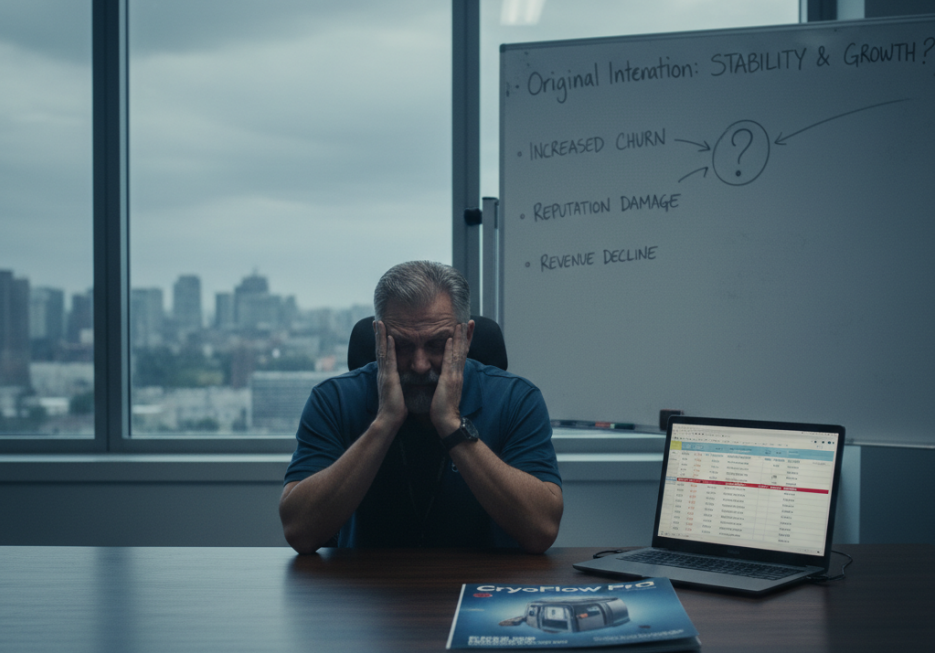
No Response in Emergency Situations — Both Customer Safety and Experience Are Affected
Whole body cryotherapy chamber operate in an ultra-low temperature environment of around -120°C. Once the control system crashes, the chamber door may not open and the temperature cannot be adjusted. Clients trapped inside may face safety risks such as hypothermia or oxygen deficiency. Even if no safety accident occurs, the panic experienced by the client inside the chamber and the long waiting time will directly destroy customer trust, leading to client loss and even complaints or reputation crises. Just like the Munich rehabilitation center mentioned above, a single malfunction caused the loss of a core client, and repairing the damaged reputation requires considerable time and effort.
Unclear Responsibility Boundaries, After-Sales Disputes, and Severe Downtime Losses
The hardware supplier says, “It’s a software issue and has nothing to do with us.”
The outsourced software team says, “The cryotherapy equipment project has already been terminated and we cannot provide support.”
Once a malfunction occurs, the customer has to run back and forth between multiple suppliers, with no one taking responsibility. However, as a core piece of equipment, every hour of cryotherapy chamber downtime means lost appointments and reduced operational revenue. Especially during peak hours, half a day of downtime may exceed the cost saved during the initial purchase. What is even more frightening is that if the malfunction cannot be resolved in time, long-term downtime may cause the rehabilitation center to lose its market competitiveness and be eliminated by competitors.
No Software Updates, Poor Adaptability, Frequent Failures
Outsourced software lacks continuous optimization and cannot adapt to hardware wear after long-term operation. For example, after the cryotherapy equipment runs for some time, the sensitivity of sensors may decrease, but outsourced software cannot promptly adjust parameters. As a result, problems such as inaccurate temperature display and frequent error alarms may occur. At the same time, it is impossible to add new functions based on customer needs, such as athlete recovery data recording or personalized treatment program settings, gradually making it unable to meet customers’ core needs.
Hidden Costs Increase Dramatically, Making Long-Term Operation Uneconomical
Purchasing assembled cryotherapy equipment initially may seem 20–30% cheaper than fully self-developed equipment. However, the hidden costs later far exceed expectations. These include frequent maintenance expenses, additional outsourcing technical support fees, indirect losses caused by customer attrition, and operational interruption costs caused by downtime. When accumulated, the hidden cost within one year may be two to three times the cost saved at the beginning.
Even more troublesome is that some outsourced software has compatibility issues. When trying to upgrade the cryotherapy equipment or add new functions later, it may require reinvesting a large amount of money for modifications, making it not worth the cost.
Safety Protection Has Loopholes and Compliance Risks Are High
Assembled systems lack unified safety protocols between hardware and software. Hardware emergency stop devices and temperature monitoring sensors cannot seamlessly connect with the software emergency response procedures. In addition to system crashes and chamber door opening failures, risks such as sudden temperature fluctuations or delayed nitrogen leak alarms may occur.
For countries like Germany and other EU nations, rehabilitation equipment must comply with strict medical device standards. Loopholes in the integration between hardware and software may lead to failure in compliance audits or even penalties and operational bans.
Yuncong Cryotherapy Chamber Solution: Full-Stack In-House Development to Eliminate Risks at the Source
As one of the first liquid nitrogen cryotherapy chamber brands in China to achieve full-stack in-house development, Yuncong has realized 100% independent control from design, hardware, software, to operation and maintenance. This completely breaks the limitations of assembled systems and precisely solves all the pain points mentioned above, making the stable operation of cryotherapy equipment the confidence behind rehabilitation center operations.
Here it is necessary to emphasize a special reminder: Nowadays many cryotherapy chamber manufacturers claim that both their hardware and software are self-developed. However, whether the development is genuine or not can be identified through a simple test — ask them to randomly modify non-essential hardware and software details, for example adjusting the installation location of the program, removing unnecessary lighting functions in the chamber, or adding specific features that match your operational needs (such as customized treatment duration or multi-language operating interfaces). If they cannot respond quickly or implement these adjustments precisely, or if they make excuses to avoid doing so, then their so-called “self-development” is nothing more than a lie.
Most of these cryotherapy equipment factories are still “pseudo self-developed.” Either they purchase hardware and outsource software modifications, or they only master partial basic technology and cannot achieve deep coordination between hardware and software adjustments. In essence, it is still the same assembled-system thinking.
Yuncong’s full-stack development capability is precisely reflected in this flexibility of adjustment — whether it is software-level program position adjustments or function additions and deletions, or hardware-level detail optimizations, everything can be completed quickly by our own R&D team without relying on any third party. This is also the core confidence that distinguishes Yuncong from “pseudo self-developed” brands in the industry.
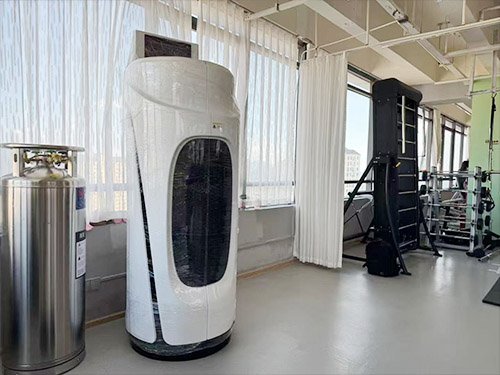
Cryotherapy Chamber
Learn More