
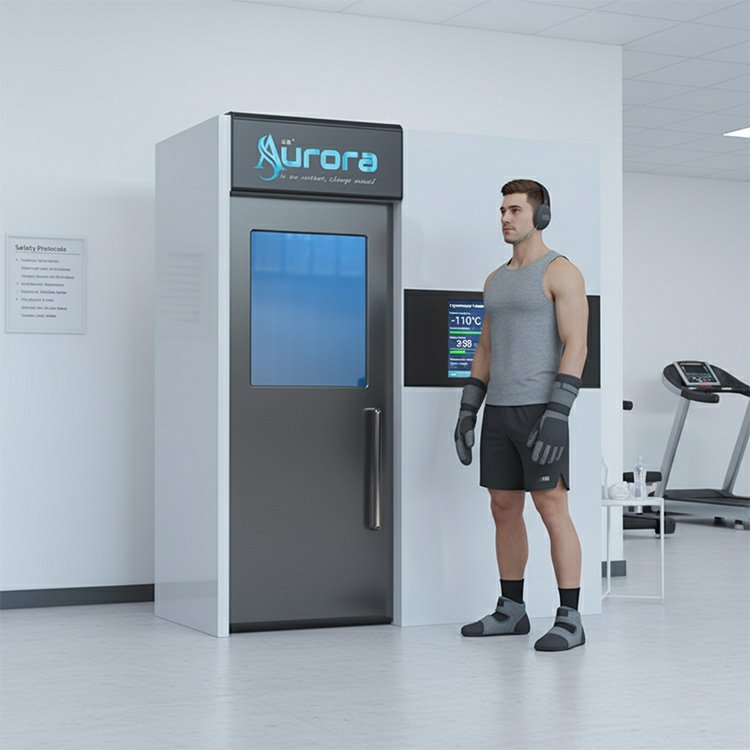

When people step into a cryotherapy chamber for the first time, two common questions often come to mind:
“At such extremely low temperatures, how long should I stay inside to avoid getting hurt?”
“If the temperature is set lower and I stay longer, will the results be better?”
Many first-time users instinctively assume that the colder the temperature and the longer the exposure, the stronger the effect.
However, in professional cryotherapy practice, the goal is not simply to pursue extreme cold or prolonged exposure.
Truly safe and effective cryotherapy depends on a scientific balance between temperature and exposure time.
Only when the body is exposed to the right temperature range for an appropriate duration can it receive the desired cold stimulation while avoiding unnecessary risks.
Why Cryotherapy Temperature and Time Must Be Balanced
In fact, understanding cryotherapy time and temperature is similar to how we take medicine to treat an illness—it’s a very easy concept to grasp.
Temperature is like the “dosage” of the medicine, while time is like the duration of taking it.
- If the dosage is too small (the temperature is not cold enough) or the exposure time is too short, the desired therapeutic effect may not be achieved.
- If the dosage is too large (the temperature is excessively low) or the exposure time is too long, it will not enhance the results and may even put unnecessary stress on the body.
- Only when the dosage (temperature) and duration (time) are properly balanced can cryotherapy deliver results safely and effectively.
For example, when taking medication for a cold, an adult may take one tablet three times a day, which is usually enough to relieve symptoms.
Children or elderly people often take reduced doses to match their physical condition.
Cryotherapy works in a similar way.
Different temperature levels correspond to different levels of therapeutic stimulation, while different session durations influence how deeply the effect reaches the body.
Cryotherapy time and temperature must be adjusted according to individual tolerance, experience, and treatment goals.
Research shows that people with lower cold tolerance may experience mild skin discomfort after just 3 minutes at -130℃, while those with higher tolerance can remain comfortable for 5 minutes. Adaptation occurs over multiple sessions, similar to how the body builds tolerance to repeated medication doses.
This balance ensures safety and allows the body to benefit fully from cryotherapy stimulation without unnecessary risk.
Cryotherapy Time vs Temperature Chart
| Temperature | Time | Purpose |
|---|---|---|
| -100°C ~ -110°C | 1–2 min | Beginner adaptation |
| -110°C ~ -130°C | 3–4 min | Wellness & skincare |
| -140°C ~ -160°C | 4–5 min | Athletic recovery |
| -160°C ~ -180°C | 3–4 min | Advanced cryotherapy programs |
Three Key Factors That Determine Cryotherapy Chamber Time and Temperature
Just as medication dosage varies for children, adults, and elderly people, the time and temperature used in a cryotherapy chamber should also be adjusted based on individual conditions.
The effectiveness and safety of extreme cold therapy depend on balancing cryotherapy temperature and cryotherapy time according to three key factors:
- individual cold tolerance
- previous cryotherapy experience
- treatment goals
1. Individual Cold Tolerance (The Body’s “Medication Tolerance”)
This is the most fundamental factor affecting cryotherapy chamber temperature and session duration.
Each person’s skin sensitivity, thermoregulation ability, and physiological response to cold are different. Some people naturally tolerate cold well, while others are more sensitive.
This situation is similar to medication dosage. Some individuals may experience dizziness even at standard doses, while others tolerate stronger doses without discomfort.

A study published in the European Journal of Applied Physiology (2010), searchable on PubMed using keywords such as “cold tolerance cryotherapy”, found that individuals with lower cold tolerance may experience mild skin stinging after 3 minutes at –130°C. In contrast, individuals with stronger cold tolerance were able to remain in the same environment for 5 minutes without significant discomfort.
Research link: European Journal of Applied Physiology – Cold Tolerance
Therefore, it is unnecessary to force the body to endure extreme cold. The basic rule is to remain relaxed and comfortable. Start with comfortable settings and gradually increase exposure as tolerance improves.
A practical guideline is to adjust cryotherapy chamber time within the 3–5 minute range, ensuring that the body does not experience sharp pain, excessive tension, or strong discomfort.
2. Cryotherapy Experience (The Body’s Adaptation to “Medication”)
The body gradually adapts to cryotherapy chamber exposure, much like how long-term medication use increases tolerance.
During the first cryotherapy session, the sympathetic nervous system may become stimulated by the sudden temperature drop. This may cause temporary reactions such as:
- increased heart rate
- faster breathing
- heightened alertness
These responses are comparable to mild discomfort when taking medication for the first time.
With repeated exposure, the body gradually adapts to extreme cold therapy, and the sympathetic nervous system response becomes less intense. As adaptation occurs, users can adjust cryotherapy time within the 3–5 minute range according to their comfort level.
A 2025 randomized controlled trial showed that users with more than 10 cryotherapy sessions experienced the same level of comfort staying 5 minutes at –150°C as beginners did staying 3 minutes at –120°C.
This demonstrates that experience significantly affects cryotherapy tolerance.
3. Treatment Goals (The Specific “Condition” You Want to Address)
Different treatment goals require different combinations of cryotherapy temperature and cryotherapy time.
This is similar to medication, where different conditions require different drugs and dosages. Scientific studies have identified optimal parameters for different therapeutic purposes.
Below is a breakdown of common goals and their corresponding cryotherapy settings.
3.1 Cryotherapy for Daily Wellness, Relaxation, and Skincare
Parameters: 3–4 minutes, -110°C ~ -130°C
Many spa and wellness clients want visible skin improvements and stress relief, but fear intense cold or discomfort. Cryotherapy provides a solution that is gentle yet effective:
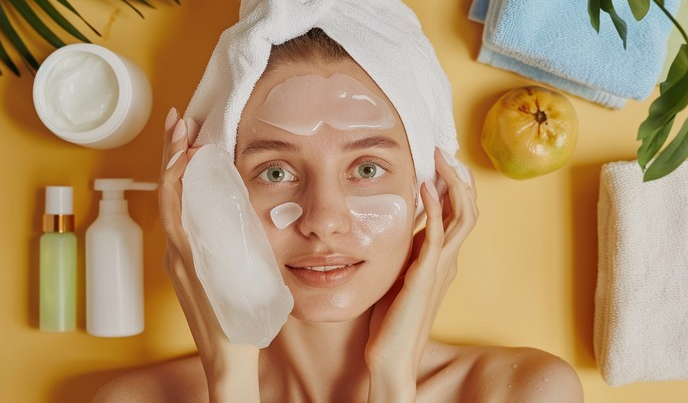
- Relaxation: Mild cold reduces sympathetic nervous activity, relaxes muscles, and triggers endorphin release. For example, a corporate client in New York reported feeling noticeably calmer and less tense after just three sessions. This effect helps reduce work-related stress and improves sleep quality.
- Skin tightening & pore reduction: Cold exposure constricts superficial blood vessels, reducing pore size and improving texture. A London wellness center reported clients noticing smoother skin and reduced oiliness after 4 weeks of regular sessions.
- Skin brightening & reduced redness: Improved circulation flushes metabolic waste and calms redness. Sensitive skin clients often report less blotchiness and more even tone.
- Collagen stimulation & anti-aging: Cold induces minor collagen regeneration, enhancing skin elasticity over time. Long-term users have shared that fine lines and sagging are visibly reduced, reinforcing cold therapy’s value as a beauty treatment.
External reference: Cryotherapy and skin health – ScienceDaily
3.2 Cryotherapy for Metabolism and Weight Management
Parameters: 3–4 minutes, -110°C ~ -130°C
Many clients struggle with slow metabolism or stubborn fat despite diet and exercise. Cryotherapy can complement their efforts:
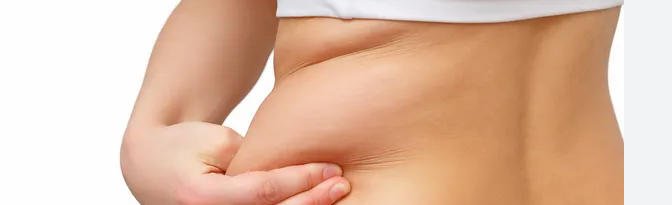
- Calorie burning & thermogenesis: Cold exposure activates the body’s thermogenesis mechanism. To maintain core body temperature, the body consumes additional energy, which increases calorie expenditure. Fat stored in common accumulation areas such as the abdomen and waist may be used as an energy source during this process.
- Enhanced metabolism: Cold stimulation increases blood circulation and temporarily raises metabolic activity. This allows the body to continue burning energy and clearing metabolic waste even after the cryotherapy session ends.
- Appetite regulation: Cold exposure may mildly suppress appetite signals and help regulate metabolic hormones, potentially reducing cravings for high-sugar and high-calorie foods,helping clients maintain a calorie deficit more easily.
Case Example: A wellness client in Chicago combined cryotherapy with a structured fitness plan and reported faster waistline reduction and better energy levels within 6 weeks.
Reference: NIH – Cold exposure and metabolic benefits
However, cryotherapy should be viewed as a supportive method rather than a standalone weight-loss solution.
Effective fat loss still requires:
- a calorie deficit
- regular exercise
- balanced nutrition
Cryotherapy helps by increasing energy expenditure, improving metabolism, and supporting recovery, which can make weight-loss programs more efficient.
3.3 Cryotherapy for Athletic Recovery and Lactic Acid Removal
Parameters: 4–5 minutes, -140°C ~ -160°C.
This range is often used after intense training sessions.
Athletes and fitness enthusiasts often face muscle soreness and delayed recovery, which can limit performance. Cryotherapy addresses these pain points:
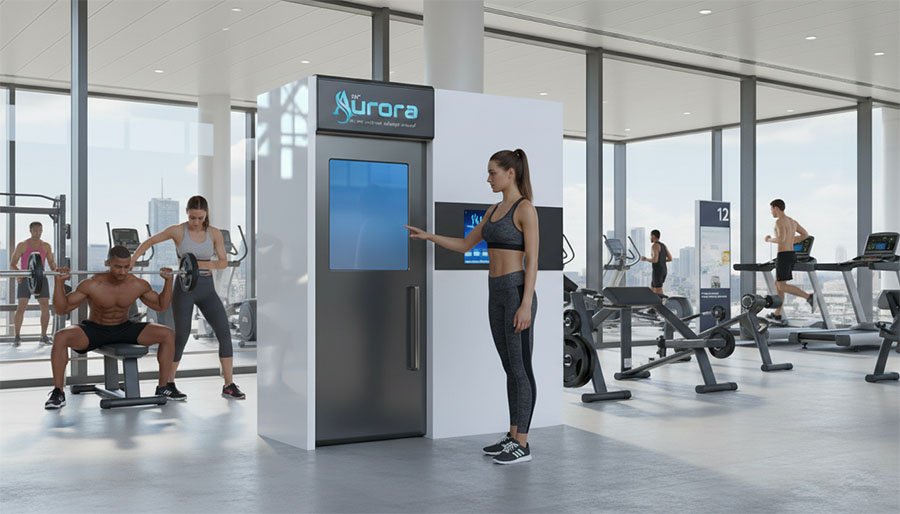
- Lactic acid removal: Accelerates blood flow, reducing post-exercise stiffness.
- Muscle recovery: Lowers inflammation, supporting faster tissue repair.
Lactic acid is a metabolic by-product produced during intense exercise when muscles operate under limited oxygen supply.
When lactic acid accumulates, it causes muscle soreness and stiffness.
Cryotherapy promotes improved blood circulation, which helps remove lactic acid more efficiently. This process is similar to performing a metabolic “clean-up” for the body, helping muscles recover faster after exercise.
Case Example: A semi-professional football team in Germany used cryotherapy after matches. Players reported less delayed-onset muscle soreness and quicker readiness for the next training session.
Reference: Cold therapy for athletic recovery
3.4 Cryotherapy for Acute and Chronic Inflammation
Parameters: 3–5 minutes, -110°C ~ -160°C
Acute Inflammation (Injury-related inflammation)
Cute inflammation is the body’s “emergency defense response”, with clear injuries or stimuli as the core causes, such as sports sprains, bumps and scratches, post-operative wound inflammation, etc. Its typical symptoms are “redness, swelling, heat, and pain”.
The role of cryotherapy is like “taking strong painkillers + repair medicine”: it quickly inhibits the activity of acute inflammatory factors, relieves pain and swelling, and at the same time accelerates local blood circulation to help the recovery of injured parts. It is especially suitable for relieving post-exercise acute inflammation and daily sudden minor injuries (see Research on Cryotherapy for Acute Inflammation Relief).
Chronic Inflammation (Long-term sub-health condition)
Many people do not exercise or experience injuries, yet they still suffer from chronic inflammation. The core issue is that the body remains in a state of low-level stress, causing the immune system to be overactive and continuously release inflammatory factors, which leads to chronic inflammation. The specific causes are closely related to daily habits and lifestyle. Here’s a detailed breakdown to help identify your personal triggers:
- Poor Diet:
Consuming high-fat, high-sugar, and high-salt foods over long periods (such as fried foods, sweets, processed meats, and pickled items) increases metabolic burden. Excess fat and sugar that cannot be processed promptly can stimulate the immune system, triggering inflammatory responses. Additionally, frequent consumption of spicy or irritating foods can continuously stress the gut, skin, and other organs, leading to chronic inflammation. It is like “constantly feeding your body irritating substances,” keeping organs in a mild inflammatory state. - Sleep Patterns and Stress:
Chronic sleep deprivation (less than 6 hours per night), mental stress, anxiety, or overwork can disrupt endocrine function. Elevated cortisol levels may impair normal immune regulation, causing the immune system to become overactive and release excessive inflammatory factors, resulting in chronic inflammation. Symptoms often include fatigue, insomnia, mild joint aches, and dull skin—commonly mistaken for general subhealth. - Sedentary Lifestyle and Slow Metabolism:
A lack of regular physical activity slows blood circulation, allowing metabolic waste and toxins to accumulate in the body, continuously stimulating tissue and triggering mild inflammation. Prolonged sitting can also impair circulation in the neck and lower back, keeping muscles tense and further promoting local chronic inflammation, often experienced as stiffness or heaviness in the limbs and lower back. - Environmental and Lifestyle Factors:
Long-term exposure to polluted environments (such as smog, dust, or secondhand smoke) allows harmful substances to enter the body, damaging respiratory and skin immune barriers and keeping the immune system in a constant “defense mode,” which can provoke chronic inflammation. Additionally, smoking or excessive alcohol consumption disrupts immune balance and stimulates organ stress, further contributing to chronic inflammation. - Age and Individual Constitution:
As we age, bodily functions decline, and the immune system’s ability to regulate inflammatory factor release weakens, making low-level chronic inflammation more likely. Individuals with sensitive constitutions or prolonged subhealth conditions naturally have a more active immune system, making them more susceptible to environmental triggers and chronic inflammation.
How cryotherapy helps:
Cryotherapy acts like “long-term mild regulatory medicine.” Through gentle suppression of inflammatory factor activity and modulation of immune balance, it alleviates subhealth conditions caused by chronic inflammation. Regular sessions over time can improve persistent fatigue, mild joint pain, and other discomforts, making it suitable for individuals with general subhealth conditions.
Case Example: A group of desk workers with joint stiffness and mild chronic inflammation reported improved mobility and less fatigue after 8 weeks of weekly sessions.
Reference: WHO – Cold therapy for inflammation
Who Should Use Shorter Cryotherapy Sessions
Parameters: 1–2 minutes, -100°C ~ -120°C
Some users are temperature-sensitive or new to cryotherapy. Shorter sessions reduce discomfort while still providing benefits:
- Individuals with weaker constitution
- Temperature-sensitive users
- First-time cryotherapy participants
Tip: Start slow and increase exposure gradually to build tolerance.
Reference: Cryotherapy safety for beginners
Who Should Avoid Cryotherapy Chambers
Certain conditions pose significant risk during cryotherapy:
- Pregnant women
- Raynaud’s disease patients
- Individuals with cardiovascular conditions
- Individuals with severe respiratory disease
Tip: These users should consult medical professionals or avoid full-body cryotherapy entirely.
Reference: FDA cryotherapy safety guidelines
Key Safety Rules for Cryotherapy Sessions
- Lower temperature → shorter time
- Beginners start with milder temperatures
- Always prioritize body comfort over extremes
Following these rules ensures a safe, effective, and enjoyable cryotherapy experience, whether the goal is wellness, beauty, metabolism support, or athletic recovery.
Frequently Asked Questions About Cryotherapy Time and Temperature
Below are some of the most common questions people ask about cryotherapy chamber temperature and session time.
How long should you stay in a cryotherapy chamber?
Most cryotherapy sessions last between 3 and 5 minutes. The exact time depends on the cryotherapy temperature and the user’s experience level.
Beginners usually start with 1–2 minutes at –100°C to –120°C to allow the body to adapt to the cold environment. Regular users often stay 3–4 minutes at –110°C to –130°C, while athletes and experienced users may tolerate 4–5 minutes at –140°C to –160°C.
In professional cryotherapy practice, lower temperatures generally require shorter exposure times to ensure both safety and effectiveness.
What temperature is used in a cryotherapy chamber?
Most whole-body cryotherapy chambers operate between –110°C and –160°C. Some advanced systems can reach temperatures as low as –180°C, but these are typically used in specialized programs with controlled session durations.
For daily wellness, skincare, and relaxation, the most common cryotherapy temperature range is –110°C to –130°C.
Lower temperatures are generally reserved for athletic recovery, inflammation control, and advanced cryotherapy treatments.
Is colder cryotherapy always better?
No. Colder temperatures do not always produce better results.
The effectiveness of cryotherapy depends on the correct balance between temperature and time. Extremely low temperatures combined with excessive exposure time can increase discomfort without improving therapeutic outcomes.
Professional cryotherapy protocols focus on matching the right temperature with the appropriate session duration, ensuring that the body receives the ideal cold stimulus while minimizing potential risks.
Is cryotherapy safe at -180°C?
Cryotherapy sessions at –180°C can be safe when performed in a professional cryotherapy chamber with strict time control.
At this temperature, sessions are usually shorter (around 3–4 minutes) because the body experiences stronger cold stimulation.
Only experienced users should attempt sessions at such extreme temperatures, and they should always follow professional guidance to ensure safe cryotherapy exposure.
Can beginners use a cryotherapy chamber?
Yes, beginners can safely use a cryotherapy chamber, but they should start with milder temperatures and shorter sessions.
Typical beginner settings include:
1–2 minutes
–100°C to –120°C
This gradual approach allows the body to adapt to extreme cold therapy while minimizing discomfort.
As users gain experience, they can slowly increase the cryotherapy session time and lower the temperature according to their tolerance.
