
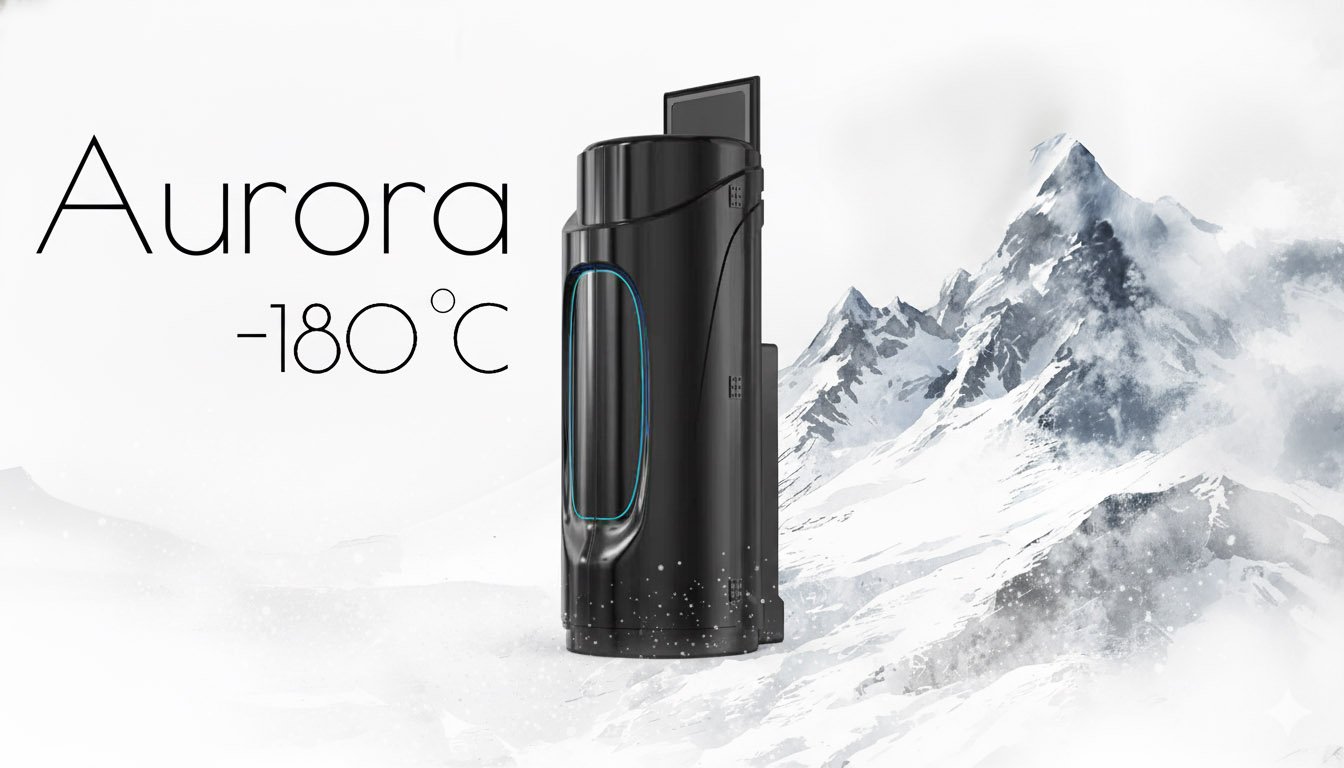

Stepping into a chamber of over -100℃ in only light undergarments and staying for just 3 minutes has gone viral across social media. Fitness influencers are sharing their extreme cold therapy challenges online, making cryogenic chamber therapy one of the fastest-growing wellness trends worldwide.
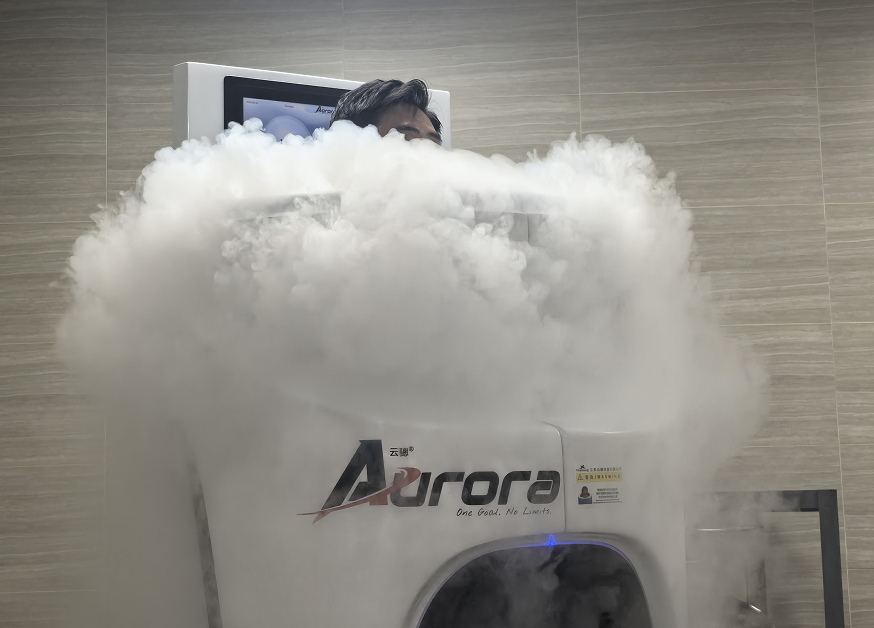
As modern lifestyles become increasingly demanding, many people are dealing with post-workout muscle soreness, sedentary stiffness, poor sleep quality, and ongoing mental stress. Against this background, cryogenic chamber therapy has rapidly gained global attention as an innovative cold-based recovery solution for fast physical recovery, skin rejuvenation, and stress relief.
The global recovery and wellness industry is expanding at an impressive pace, and cryotherapy chamber treatment is becoming one of the most searched and discussed technologies in the market. Terms such as whole body cryotherapy chamber, cryotherapy chamber treatment, and ice chamber therapy are seeing continuous growth in search volume as more users and businesses explore this advanced recovery method.
What Is Cryogenic Chamber Therapy and How Does It Work?
Cryotherapy has now become one of the fastest-growing wellness and recovery technologies worldwide. From professional athletes and fitness enthusiasts to wellness centers, rehabilitation clinics, and luxury spas, adoption is accelerating quickly due to its visible and immediate wellness experience.
At the same time, more fitness centers and high-end wellness venues are investing in commercial cryotherapy machines, not only as a premium service offering but also as a profitable business model with strong customer demand and high repeat usage potential.
As a result, cryogenic chamber therapy is no longer seen as a niche treatment—it is becoming a mainstream wellness solution and a key investment direction within the global recovery industry.
But the most common question from first-time users is still very simple:
How does it actually work? Is it really safe to stand in -110°C to -160°C?
To understand this, we need to look at what cryotherapy really is and how the system creates such extreme cold in a controlled way.
What Is Cryogenic Chamber Therapy?
Cryogenic chamber therapy, also known as whole body cryotherapy, is a short-duration exposure to ultra-low temperatures inside a specially designed chamber.
A typical session lasts only 3–5 minutes. During this time, the body is exposed to extremely cold air while the user wears protective gear such as:
- gloves
- socks or foot covers
- sometimes masks or ear protection
These protections are important because hands, feet, and facial areas are more sensitive to extreme cold.
The purpose of cryotherapy is not to freeze the body, but to trigger a natural physiological response through short-term cold stimulation. Many users experience it as a refreshing, energizing recovery method after exercise, stress, or physical fatigue.
How Does Cryotherapy Work in the Human Body?
The core principle of cryotherapy is not “cold itself,” but the body’s natural stress response to extreme temperature change.
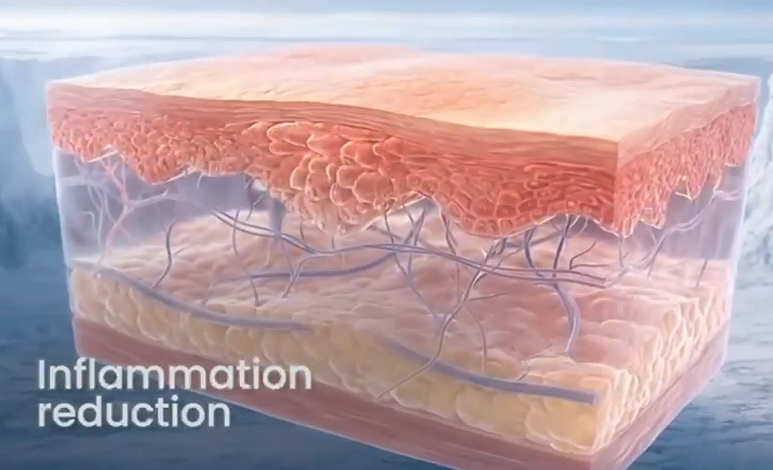
When the human body suddenly enters a very cold environment, it immediately reacts to protect itself:
Blood vessels near the skin rapidly constrict, pushing blood flow away from the surface and toward the body’s core organs. This is a survival mechanism designed to preserve internal temperature.
After the session ends and the body returns to normal temperature, blood vessels expand again. Blood circulation increases throughout the body, and this “rebound effect” is associated with:
- improved circulation
- temporary relief of muscle soreness
- reduced fatigue
- increased energy and alertness
- endorphin and hormone release
This is why many users describe cryotherapy as feeling “resetting” or “energizing” after the session.
Why Doesn’t Cryotherapy Cause Frostbite?
A common concern is whether such extreme cold can damage the skin.
In professional cryotherapy systems, safety is controlled by several factors:
First, the exposure time is very short—typically only 2–3 minutes. Second, the cold is carefully regulated and evenly distributed rather than directly frozen onto the skin. Third, protective clothing helps shield sensitive areas.
In addition, there is a physical phenomenon known as the Leidenfrost Effect.
When the skin is exposed to extremely cold conditions, a very thin vapor layer can form between the skin and the cold medium. This layer temporarily reduces direct thermal contact, acting like a short-term protective barrier.
A simple way to understand it is to imagine a drop of water falling onto a very hot pan. Instead of instantly disappearing, the water actually “floats” on a thin layer of steam and moves around without immediately touching the surface. In cryotherapy, a similar protective vapor layer can briefly form around the skin under extreme temperature conditions, helping reduce direct thermal impact.
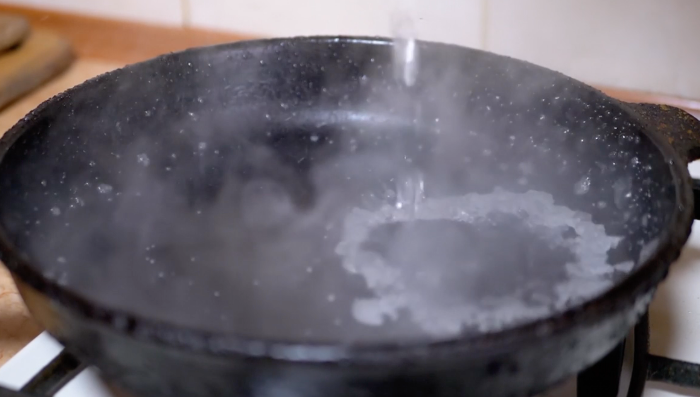
Combined with strict time control and system safety design, cryotherapy is considered safe when operated correctly in professional environments.
What Are the Benefits of Cryotherapy?
Cryotherapy is widely used for both recovery and wellness purposes. Commonly reported benefits include:
- muscle recovery support (cryotherapy for recovery)
- inflammation response reduction (cryotherapy for inflammation reduction)
- improved circulation
- fatigue relief
- post-workout recovery support
- mental refresh and stress relief
- skin appearance improvement (anti-aging support)
How Does a Cryotherapy Chamber Generate Ultra-Low Temperatures?
The Whole Body Cryotherapy Chamber generates ultra-low temperatures (typically ranging from -110°C to -160°C) based on the physical principle of “heat absorption during the vaporization of low-temperature media.”
There are two main technologies used in modern cryotherapy systems:
- Liquid nitrogen cryotherapy chambers
- Fully electric cryotherapy chambers
Both systems can reach temperatures below -100°C, but they work in completely different ways.
Liquid Nitrogen Cryotherapy Chambers
Liquid nitrogen systems are the most widely used in commercial cryotherapy centers.
Liquid nitrogen is a cryogenic liquid with temperatures as low as -196°C. Inside the system, liquid nitrogen passes through an evaporator and transforms into gas, which is then delivered into the chamber through dedicated pipelines. During this phase change process, a large amount of heat inside the chamber is absorbed, allowing the chamber to rapidly reach ultra-low temperatures -180°C.
Under normal conditions, it only takes about 3–5 minutes for the chamber to reach the required treatment temperature. The nitrogen gas produced from liquid nitrogen is colorless, odorless, non-toxic, and harmless. In fact, nitrogen itself is the main component of the air we breathe, making it highly safe.
This process allows the chamber temperature to drop very quickly, typically reaching -110°C to -180°C within minutes.
A common misunderstanding is that liquid nitrogen is sprayed directly onto the body. In professional systems, this does not happen. Instead, nitrogen becomes cold gas and circulates evenly inside the chamber to create a controlled environment.
Modern nitrogen cryotherapy chambers also include safety systems such as:
- oxygen level monitoring
- ventilation systems
- emergency stop controls
- temperature sensors
- automatic regulation systems
These ensure the environment remains safe and stable during treatment.
Electric Cryotherapy Chambers
Electric cryotherapy chambers use a completely different approach.
Instead of liquid nitrogen, they rely on advanced mechanical refrigeration systems, similar in principle to industrial ultra-low temperature freezers.
Due to the inconvenience of frequently refilling nitrogen, more and more wellness centers and gyms are choosing fully electric cryotherapy chambers for operational simplicity.
The operating principle is similar to an “ultra-large freezer,” but with specially modified core components.
The cooling process works through a continuous refrigeration cycle:
compression → condensation → expansion → evaporation
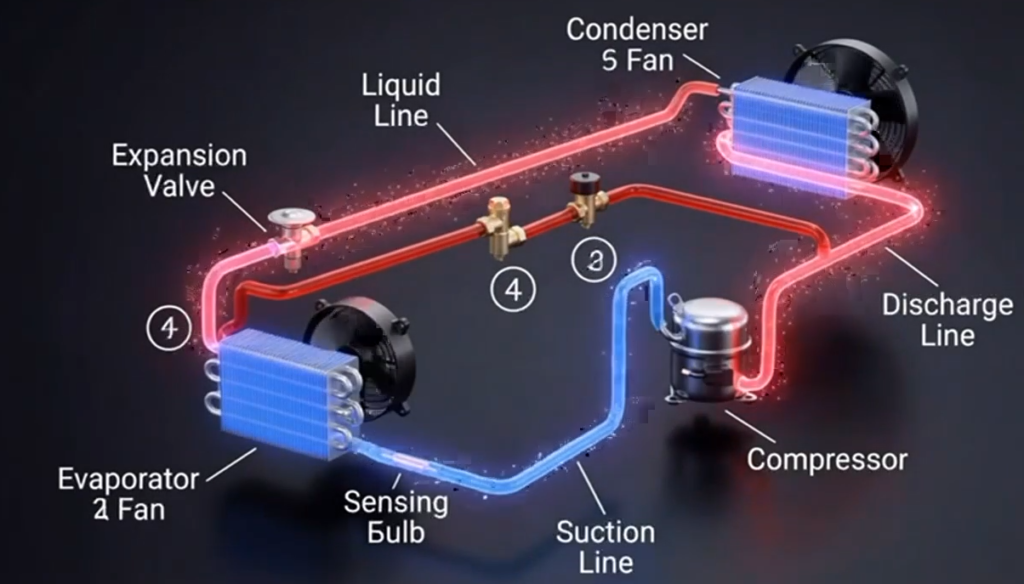
The compressor compresses the refrigerant into a high-temperature, high-pressure gas, which then passes through the condenser and becomes a high-pressure medium-temperature gas. A capillary throttling device performs gas-liquid separation, and the refrigerant subsequently enters the evaporator. During the vaporization process inside the evaporator, the refrigerant absorbs heat from the chamber, continuously circulating to achieve cooling. This method does not rely on liquid nitrogen and is more convenient for maintenance.
During this cycle, refrigerant absorbs heat from inside the chamber and continuously lowers the temperature.
However, the cooling speed is slower, typically requiring 90–110 minutes after startup to reach the target temperature, and the minimum temperature usually reaches only around -110°C.
Electric cryotherapy systems typically use:
- ultra-low temperature compressors
- cascade refrigeration technology
- eco-friendly refrigerants
- intelligent temperature control systems
- high-performance insulation
Compared with nitrogen systems, electric chambers:
- cool more slowly
- require longer pre-cooling time
- do not require liquid nitrogen supply
- are easier to maintain long term
Summary:
The common principle shared by both refrigeration methods is “using heat absorption during the phase change of a medium.” The differences lie in the cooling medium used (liquid nitrogen vs. mechanical refrigerant), cooling speed, and maintenance cost. Ultimately, both methods are capable of creating the ultra-low-temperature environment required for cryotherapy treatment without producing toxic or harmful effects on the human body.
Logic Behind the Formation of the Treatment Environment
The ultra-low-temperature environment inside a cryotherapy chamber is not simply about “cooling.” It is about creating a treatment environment that is “uniform, controllable, and safe.” The process involves four key interconnected steps, ensuring both therapeutic effectiveness and user safety.
Step 1: Pre-Treatment Preparation — Initial Cooling and Environmental Purification
Before treatment begins, the system first activates the ventilation system to remove the existing air inside the chamber (preventing impurities and moisture from affecting cooling efficiency). At the same time, the refrigeration system is pre-activated:
- Liquid nitrogen chambers check nitrogen reserves in advance.
- Mechanical refrigeration chambers start the compressor system beforehand.
The chamber temperature is first lowered to approximately -50°C, completing the initial cooling stage and preparing for the rapid transition to ultra-low temperatures.
Step 2: Core Cooling — Precise Temperature Control and Uniform Temperature Distribution
After the refrigeration system starts:
- Liquid nitrogen chambers use precise nitrogen injection (with the computer automatically adjusting injection speed based on chamber size and target temperature), allowing vaporized nitrogen to spread evenly throughout the chamber.
- Mechanical refrigeration chambers use circulating air ducts to distribute cold air evenly to all corners of the chamber after the refrigerant absorbs heat during vaporization.
This prevents situations where certain areas become excessively cold while others remain insufficiently cooled, ensuring a uniform chamber temperature with fluctuations no greater than ±5°C.
Step 3: Environmental Stabilization — Dynamic Adjustment and Safety Monitoring
Once the chamber reaches the target ultra-low temperature (for example, -120°C), the equipment enters a “dynamic stabilization” mode:
- Liquid nitrogen chambers intermittently inject small amounts of nitrogen to compensate for vaporization loss and maintain stable temperatures.
- Mechanical refrigeration chambers adjust compressor power output to prevent the temperature from becoming too high or too low.
Meanwhile, temperature sensors, nitrogen concentration sensors, and oxygen concentration sensors continuously monitor the environment in real time. If abnormal parameters occur (such as excessive temperature fluctuation or excessive nitrogen concentration), the system immediately stops refrigeration and activates emergency ventilation to ensure user safety.
Step 4: Human Adaptation — Protective Equipment and Time Control
After the treatment environment is established, users are not directly exposed to ultra-low temperatures without protection. Patients must wear specialized protective equipment, including:
- Gloves
- Socks
- Masks
- Protective goggles
These items protect body parts with dense peripheral nerves, such as the hands, feet, and face, which are more sensitive to low temperatures and more vulnerable to frostbite.
At the same time, treatment duration is strictly controlled within 1–3 minutes to avoid hypothermia or frostbite caused by prolonged exposure. The core purpose of the ultra-low-temperature environment is to stimulate superficial blood vessel constriction and promote blood circulation, rather than exposing the body to low temperatures for an extended period.
The Difference Between Ultra-Low Temperature and Ordinary Cold
Ordinary low-temperature environments (such as a household freezer at -18°C or winter outdoor temperatures) only affect the surface of the human body, and the cooling process is relatively slow.
In contrast, the ultra-low temperatures inside a cryotherapy chamber (-110°C to -160°C) rapidly affect the skin surface (approximately 1–2 millimeters deep) without penetrating deep tissues such as muscles or bones. Therefore, they do not damage internal organs or deep tissues.
Instead, the ultra-low temperature mainly stimulates superficial nerves and blood vessels, helping to achieve effects such as:
- Anti-inflammation
- Pain relief
- Muscle recovery
- Fatigue reduction
- Improved blood circulation response
Why a Commercial Cryotherapy Machine Is a High-ROI Business Investment
In modern wellness and fitness markets, people are increasingly dealing with post-workout muscle soreness, sedentary stiffness, poor sleep quality, and daily mental stress. Because of this, cryotherapy chamber treatment (cryotherapy machine for business) is rapidly becoming a popular solution for fast recovery, body refreshment, and stress relief.
At the same time, the global recovery industry is growing quickly. More gyms, SPA centers, rehabilitation clinics, and wellness studios are upgrading their service offerings with whole body cryotherapy chambers, as they provide a modern, high-tech, and highly profitable service model.
Compared with traditional wellness facilities like saunas, steam rooms, and swimming pools, cryotherapy represents a lighter, faster, and much higher-return investment option.
Traditional Wellness Facilities Are Costly and Hard to Monetize
Most fitness centers and SPA businesses already rely on:
- saunas
- steam rooms
- swimming pools
- massage rooms
However, these traditional facilities share several common limitations:
They require large space, expensive renovation, and high ongoing utility costs. Water and electricity consumption is continuous, maintenance is frequent, and each service session usually takes 30–90 minutes per customer.
Because of these limitations, most of them can only be used as complimentary membership benefits, rather than real profit-generating services. They improve customer experience, but they rarely create meaningful additional revenue.
Cryotherapy Delivers Fast Service and High Customer Turnover
In contrast, a cryotherapy machine for business operates under a completely different logic.
It is compact, easy to install, and highly efficient in operation. A standard cryotherapy session only takes 3–5 minutes, and including preparation and finishing steps, the full process can be completed within 10 minutes.
This completely changes the business model.
One machine can serve dozens of customers per day, significantly increasing revenue potential without requiring additional space or staffing pressure.
At the same time, cryotherapy is positioned as a high-tech, premium wellness experience, making it easier to charge separately as a high-value service instead of offering it for free.
For example, a high-end SPA in Los Angeles originally relied on massage, sauna, and skincare services, but daily capacity was limited due to long service durations. After introducing a commercial cryotherapy machine, the SPA added fast recovery and skin revitalization sessions specifically targeting busy office workers and fitness users. Without expanding its physical space, the clinic increased daily customer capacity by 75%, improved online review ratings across platforms like Google Reviews and Yelp, and attracted new customers who visited specifically for cryotherapy rather than traditional treatments.
High ROI Compared to Traditional Equipment
From an investment perspective, saunas and pools are typically:
- high upfront investment
- high operational cost
- low marginal profit
- slow return on investment
A cryotherapy machine for business, however, operates on a much leaner structure:
- low operating cost
- minimal maintenance requirements
- high service pricing
- fast payback cycle
In most international markets, cryotherapy pricing is typically:
- $50–$100 per standard session
- $110+ for premium recovery or aesthetic-focused treatments
With just 8–10 clients per day, a small wellness center or clinic can generate approximately $12,000–$25,000 in additional monthly revenue. In many cases, businesses recover their investment within 5–6 months, after which most revenue becomes high-margin profit.
For example, a sports rehabilitation center in Chicago upgraded from traditional physiotherapy and sauna-based services to a cryotherapy-focused recovery model. Within the first few months, new customer growth increased by 40%, average customer spending rose by 28%, and the business fully recovered its equipment investment within half a year. Annual additional profit exceeded $70,000, showing how cryotherapy can shift a clinic from low-margin traditional services into a higher-value recovery business model.
Strong Impact on Membership Retention and Customer Loyalty
One of the biggest challenges in gyms and wellness centers is membership retention. Traditional services like saunas and pools are usually included as free benefits, which do not significantly improve renewal rates or customer loyalty.
Cryotherapy changes this structure.
A cryotherapy machine for business can be easily integrated into membership systems:
- single-session packages
- monthly recovery passes
- VIP annual memberships
- bundled fitness + recovery plans
Because cryotherapy is perceived as a premium, results-driven service, it becomes a strong incentive for members to stay subscribed.
For example, a premium fitness club in New York integrated cryotherapy into its VIP membership benefits. Before the upgrade, the membership renewal rate was around 65%. After introducing cryotherapy access for premium members, the renewal rate increased to 83% within one quarter. High-value members were particularly motivated by exclusive recovery benefits and the perceived wellness value, helping the gym shift from unstable walk-in revenue to a more stable membership-based income structure.
Easy Integration Into Existing Business Models
Another major advantage of a cryotherapy machine for business is its adaptability.
Unlike traditional wellness facilities that require heavy renovation, plumbing systems, or large construction projects, cryotherapy equipment can be installed quickly with minimal disruption.
It requires:
- small installation space
- no water system
- no complex renovation
- minimal staff training
A community wellness center in Texas demonstrates this clearly. The facility added a cryotherapy machine without changing its core business model. Within just a few days of installation, it began offering cryotherapy as an add-on service. Within two months, total revenue increased by 32%, while attracting a younger fitness-oriented customer base. The upgrade was achieved with extremely low risk and minimal operational disruption.
This flexibility makes cryotherapy suitable for gyms, SPA centers, rehabilitation clinics, and integrated wellness facilities.
Final Conclusion
Compared with traditional wellness infrastructure such as saunas, pools, and steam rooms, a cryotherapy machine for business (cryotherapy chamber treatment) offers a completely different commercial model:
It is faster, more efficient, easier to operate, and significantly more profitable.
It enables:
- higher customer turnover
- lower operational costs
- faster ROI
- stronger membership retention
- easier business integration
- higher perceived service value
More importantly, it is not just a wellness device—it is a business upgrade tool that helps gyms, SPA centers, and rehabilitation clinics transition from low-efficiency services to high-margin, high-demand recovery offerings in the modern wellness industry.
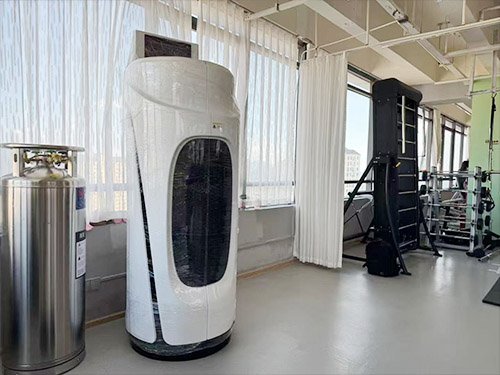
Nitrogen cryo chamber
Learn More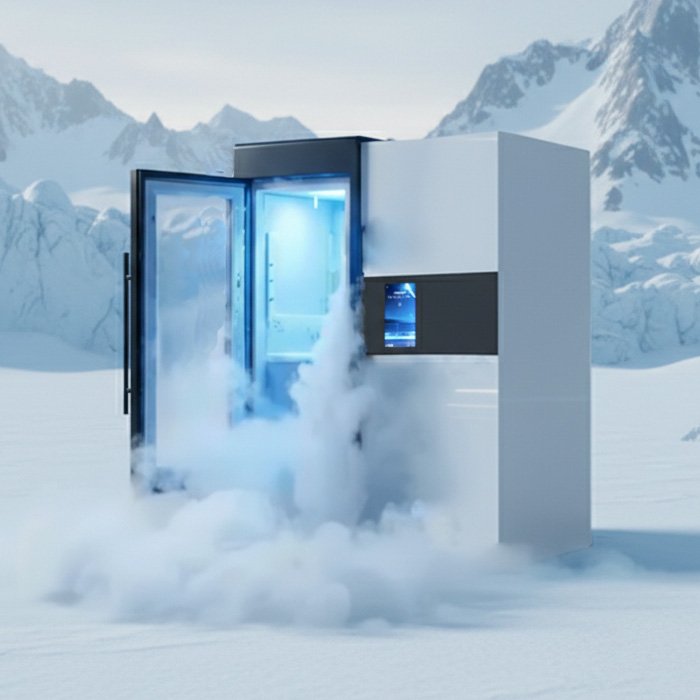
Electric cryo chamber
Learn More